
close
Choose Your Site
Global
Social Media
Views: 0 Author: Site Editor Publish Time: 2026-01-26 Origin: Site
An Exhaust NOx sensor plays a crucial role in monitoring nitrogen oxide (NOx) levels in a diesel engine’s exhaust, ensuring the vehicle operates efficiently and complies with emission standards. Many vehicle owners wonder if they can replace the sensor themselves.
In this article, we will discuss whether replacing an Exhaust NOx sensor is a DIY task or if professional help is needed. We will guide you through the steps, tools required, and potential challenges involved.
A Exhaust NOx sensor is a sensor placed in a diesel vehicle's exhaust system to monitor the amount of nitrogen oxides (NOx) being emitted. NOx gases are harmful pollutants, contributing to poor air quality and respiratory diseases. The Exhaust NOx sensor continuously measures these gases and sends the data to the Engine Control Unit (ECU), helping the vehicle manage its emissions and stay compliant with environmental standards like Euro 6.
The Exhaust NOx sensor is an integral part of the emission control system, specifically within the Selective Catalytic Reduction (SCR) system. When NOx levels are detected as too high, the sensor signals the ECU to adjust the Diesel Exhaust Fluid (DEF) injection into the exhaust system, reducing NOx emissions and converting them into harmless nitrogen and water.
A faulty Exhaust NOx sensor can lead to several problems, such as:
Check engine light: A malfunctioning sensor will trigger the engine light on the dashboard.
Reduced engine power: If the sensor cannot provide accurate data, the engine may lose power.
Poor fuel efficiency: A faulty sensor affects fuel combustion, leading to increased fuel consumption.
Failed emissions test: An inaccurate sensor reading may cause the vehicle to fail an emissions test.
The Exhaust NOx sensor works through an electrochemical process that measures the concentration of NO and NO₂ in the exhaust gases. This is achieved using a Nernst cell within the sensor, which converts the gas concentration into an electrical signal that the ECU can process. Based on this signal, the vehicle’s system adjusts the fuel-air mixture to maintain efficient engine performance and low emissions.
Once the Exhaust NOx sensor measures the NOx levels, it communicates the data to the SCR system via the ECU. If NOx levels exceed the threshold, the system adjusts the DEF injection to reduce emissions, ensuring the vehicle remains within legal emission limits.
The Exhaust NOx sensor is typically located in the exhaust system, either before or after the SCR catalyst. In some vehicles, there are two sensors—one before the SCR system (upstream) and one after (downstream). These sensors help monitor the efficiency of the SCR system in reducing emissions.
Replacing an Exhaust NOx sensor is a task that many DIY enthusiasts may consider. While it’s not overly complex, it requires a solid understanding of mechanical systems and electronics. The sensor plays a critical role in emission control, and improper installation or miscalibration can lead to increased emissions, reduced engine efficiency, and even potential damage to other vehicle components.
If you decide to take on the task of replacing your Exhaust NOx sensor yourself, you’ll need the proper tools and equipment to ensure a successful and safe installation. Here's a list of essential tools:
Tool | Purpose |
Socket set | To remove the sensor and other components. |
Torque wrench | For proper tightening to prevent over-tightening or damage. |
Diagnostic tool | To recalibrate the ECU and reset error codes post-installation. |
Thread chaser | To clean the threads in the exhaust port for smooth installation. |
The first step is identifying the correct location of the Exhaust NOx sensor in your vehicle. In most diesel engines, the sensor is located after the SCR (Selective Catalytic Reduction) catalyst. Some vehicles have both upstream and downstream sensors, which measure NOx emissions before and after the SCR process. Refer to your vehicle’s manual to locate the exact position.
Once the sensor is located, you will need to carefully disconnect the electrical connector and remove the old sensor. Here’s how:
1. Use the socket set to unbolt the sensor from its housing.
2. Carefully disconnect the electrical connector, being mindful not to damage any wiring.
3. If the sensor is obstructed by other parts, you may need to remove additional fixtures or components.
Before installing the new Exhaust NOx sensor, follow these steps to ensure a smooth process:
1. Clean the exhaust port: Use a thread chaser to clean the threads in the exhaust port to make sure the new sensor fits perfectly.
2. Install the new sensor: Carefully screw in the new sensor by hand. Tighten it using the torque wrench to the manufacturer's specified torque value. Be sure not to over-tighten, as this could cause damage to the sensor or the exhaust system.
3. Re-connect the electrical connector: Securely reconnect the electrical connector for the Exhaust NOx sensor, and make sure it’s properly fastened.
After installing the new sensor, it’s crucial to recalibrate the system to ensure proper functionality:
1. Use a diagnostic tool to reset the ECU (Engine Control Unit) and check for any existing error codes.
2. Some vehicles may require a calibration procedure to properly integrate the new sensor with the vehicle’s emission control system.
While replacing the Exhaust NOx sensor yourself is possible, there are several common pitfalls that you should watch out for:
One of the most common mistakes is damaging the electrical connectors. Be sure to disconnect the sensor carefully to avoid damaging the wiring or the connector itself.
It’s essential to install the Exhaust NOx sensor in the correct position. Incorrect placement can lead to malfunctioning readings, affecting the accuracy of NOx measurements and the vehicle’s emission control system. Always refer to the manufacturer’s guidelines for correct installation.
After installing the new sensor, it is crucial to recalibrate the ECU and reset error codes. If you skip this step, the sensor might not function properly, leading to performance issues and possibly causing your vehicle to fail emissions tests.
A faulty installation can cause several issues, such as:
Increased emissions: If the sensor is not calibrated correctly, the SCR system may not be able to adjust the DEF injection properly, leading to higher emissions.
Engine issues: Incorrect sensor placement or connection could lead to engine performance problems, such as misfires or reduced power.
Emissions test failure: A faulty installation can prevent the vehicle from passing emissions tests, which may lead to fines or legal issues.
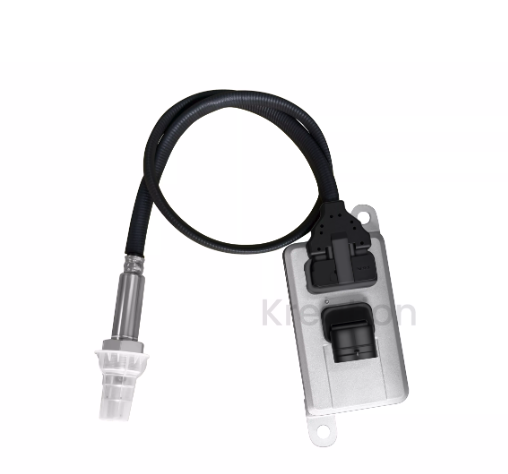
The Exhaust NOx sensor is a delicate component that interacts with the vehicle’s emission control system. Improper installation or calibration could lead to inaccurate sensor readings, higher emissions, and reduced engine performance. Professional mechanics have the tools and expertise to install the sensor correctly, ensuring the vehicle performs as intended.
DIY replacement of the Exhaust NOx sensor comes with risks:
Voiding warranties: Many vehicles require professional installation to maintain warranty coverage.
Damage to the emission control system: Incorrect installation could damage the SCR system or other emission components.
Incorrect calibration: If the sensor isn’t calibrated correctly, it could cause the vehicle to fail emissions tests or enter limp mode.
Having a professional replace the Exhaust NOx sensor ensures:
Accurate calibration: Professionals use diagnostic tools to correctly calibrate the sensor and ECU.
Warranty protection: Using certified mechanics helps maintain your vehicle’s warranty.
Reliable performance: Professionals ensure that the vehicle’s emission control system works efficiently, helping to avoid future issues.
Professional replacement of an Exhaust NOx sensor typically costs between $200 and $500, including labor. DIY replacement can be more affordable, but you’ll need to factor in the cost of tools, diagnostics, and potential mistakes that might require professional help later.
Several factors affect the cost of replacing the Exhaust NOx sensor, including:
Vehicle model: Some vehicles may have more complex systems, increasing replacement costs.
Sensor brand: OEM sensors typically cost more than aftermarket alternatives, but they offer better compatibility and durability.
Location: Labor costs vary depending on where you live and whether the job is done by a professional or yourself.
Investing in the correct replacement for the Exhaust NOx sensor ensures:
Better fuel efficiency: A properly installed sensor optimizes combustion, leading to fuel savings.
Longer engine life: Proper sensor function helps protect the SCR and DPF systems.
Compliance with emission regulations: Ensuring your vehicle meets emission standards helps avoid fines and potential legal issues.
Replacing an Exhaust NOx sensor is a crucial task for maintaining engine performance and ensuring emissions compliance. While it’s possible for DIY enthusiasts to replace the sensor, it requires specific tools and knowledge to avoid issues. Professional installation ensures greater reliability and proper calibration.
If you're comfortable with mechanical tasks, you can replace the Exhaust NOx sensor yourself. However, for peace of mind and to ensure accuracy, consider consulting a professional. Zhejiang Kreation Electronic Technology Co., Ltd. offers high-quality Exhaust NOx sensors that enhance vehicle performance and ensure emissions compliance.
A: Yes, you can replace an Exhaust NOx sensor yourself, but it requires specific tools and knowledge to avoid complications during installation.
A: Replacing an Exhaust NOx sensor involves locating the sensor, removing the old one, installing the new sensor, and recalibrating the system using a diagnostic tool.
A: Replacing a faulty Exhaust NOx sensor ensures accurate emissions control, better fuel efficiency, and compliance with environmental regulations.
A: The cost of replacing an Exhaust NOx sensor depends on the vehicle model and labor, typically ranging from $200 to $500.
A: Common signs include the check engine light, poor fuel efficiency, and failed emissions tests, indicating the need to replace the Exhaust NOx sensor.


