
close
Choose Your Site
Global
Social Media
Views: 0 Author: Site Editor Publish Time: 2025-10-22 Origin: Site
The automotive industry is undergoing a significant transformation driven by the need for cleaner and more efficient vehicles. One of the key technologies facilitating this change is real-time NOx monitoring. Nitrogen oxides (NOx) are harmful pollutants produced during combustion processes, and their reduction is crucial for meeting stringent environmental regulations. The advent of advanced NOx Sensor technology has revolutionized how vehicles manage emissions, leading to improved air quality and enhanced vehicle performance.
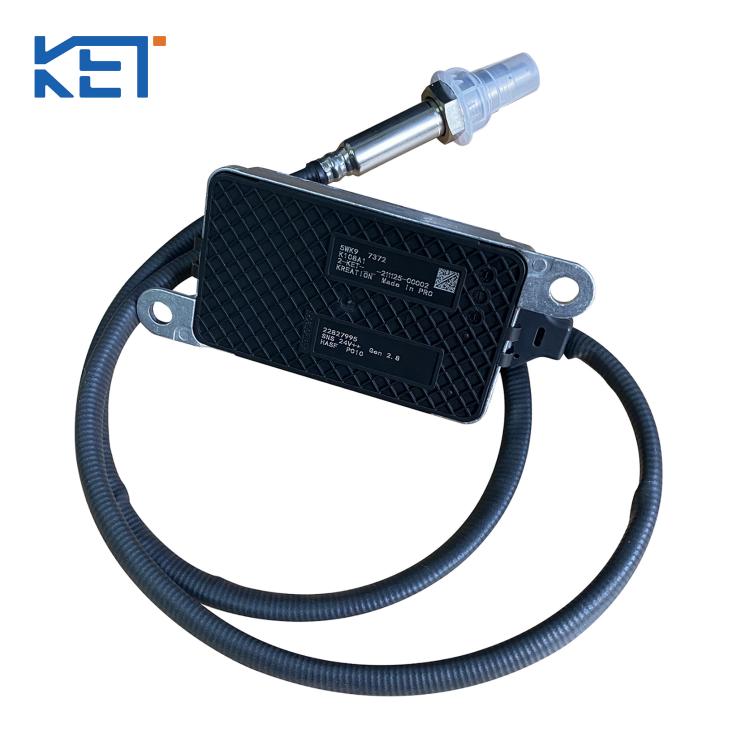
NOx sensors play a pivotal role in modern emission control systems. These sensors are designed to detect the concentration of nitrogen oxides in the exhaust gases of vehicles. By providing real-time data, they enable the engine control unit (ECU) to adjust the combustion process and after-treatment systems effectively. This real-time adjustment helps in minimizing NOx emissions, ensuring compliance with environmental standards.
The integration of NOx sensors into vehicles has become increasingly important due to the tightening of emission regulations worldwide. For instance, the Euro 6 standards in Europe and Tier 3 standards in the United States require significant reductions in NOx emissions from vehicles. NOx sensors are essential for meeting these regulations by enabling precise control over the emission reduction systems.
The development of NOx sensors has seen remarkable advancements over the years. Early NOx sensors were limited in their accuracy and response time, which hindered their effectiveness in real-time emission control. However, recent innovations have led to the creation of highly sensitive and fast-responding sensors that provide accurate measurements even under varying operating conditions.
One of the significant breakthroughs in NOx sensor technology is the use of advanced materials and coatings that enhance sensor durability and performance. These materials are capable of withstanding high temperatures and harsh environments, making them suitable for use in modern engines. Additionally, the incorporation of advanced signal processing algorithms has improved the accuracy and reliability of NOx measurements.
The implementation of real-time NOx monitoring has a profound impact on vehicle performance and efficiency. By providing accurate data on NOx levels, these sensors enable the optimization of the combustion process, leading to improved fuel efficiency. Vehicles equipped with advanced NOx sensors can achieve better mileage while maintaining low emission levels.
Moreover, the ability to monitor NOx emissions in real-time allows for the early detection of potential issues within the emission control system. This proactive approach to maintenance can prevent costly repairs and downtime, further enhancing the overall efficiency and reliability of vehicles.
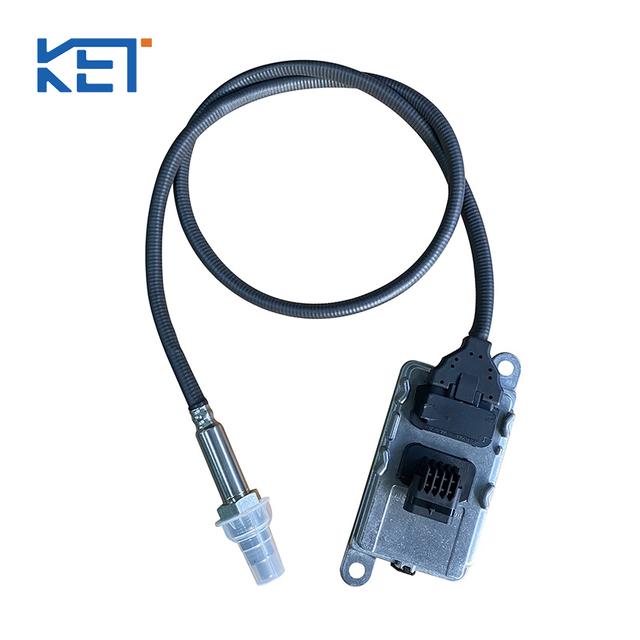
Despite the significant advancements in NOx sensor technology, several challenges remain. One of the primary challenges is the cost associated with these sensors. High-performance NOx sensors can be expensive, which may limit their adoption in cost-sensitive markets. However, ongoing research and development efforts aim to reduce production costs while maintaining sensor performance.
Another challenge is the integration of NOx sensors with other vehicle systems. As vehicles become more complex, ensuring seamless communication between the NOx sensors and the ECU is crucial for optimal performance. Advances in vehicle networking and communication protocols are expected to address this challenge, paving the way for more integrated and efficient emission control systems.
Regulatory frameworks play a significant role in driving innovation in NOx sensor technology. As governments worldwide continue to implement stricter emission standards, the demand for advanced emission control technologies is expected to rise. This demand will likely spur further innovation in NOx sensors, leading to the development of more efficient and cost-effective solutions.
In addition to regulatory pressures, consumer awareness of environmental issues is also driving the adoption of cleaner technologies. As consumers become more conscious of their environmental impact, they are increasingly seeking vehicles that offer low emissions and high efficiency. This shift in consumer preferences is expected to further accelerate the adoption of advanced NOx sensors in the automotive industry.
Real-time NOx monitoring is transforming the automotive industry by enabling more efficient and environmentally friendly vehicles. The integration of advanced NOx Sensor technology into vehicles has led to significant improvements in emission control, vehicle performance, and fuel efficiency. While challenges remain, ongoing advancements in sensor technology and regulatory frameworks are expected to drive further innovation in this field. As the automotive industry continues to evolve, real-time NOx monitoring will play a crucial role in shaping the future of transportation.
1. What are NOx sensors, and why are they important?
NOx sensors detect nitrogen oxides in vehicle exhaust, crucial for emission control and compliance with environmental regulations.
2. How do NOx sensors improve vehicle efficiency?
They provide real-time data for optimizing combustion, enhancing fuel efficiency, and reducing emissions.
3. What challenges do NOx sensors face?
Challenges include high costs and integration with complex vehicle systems.
4. How are regulations influencing NOx sensor development?
Stricter emission standards drive innovation, leading to more advanced and cost-effective sensors.
5. What future advancements are expected in NOx sensor technology?
Ongoing research aims to enhance sensor performance and reduce costs, improving adoption rates.
6. How do NOx sensors contribute to environmental protection?
They help reduce harmful emissions, improving air quality and supporting environmental sustainability.
7. What role do consumers play in the adoption of NOx sensors?
Increasing environmental awareness among consumers drives demand for cleaner, more efficient vehicles.


