
close
Choose Your Site
Global
Social Media
Views: 0 Author: Site Editor Publish Time: 2025-09-28 Origin: Site
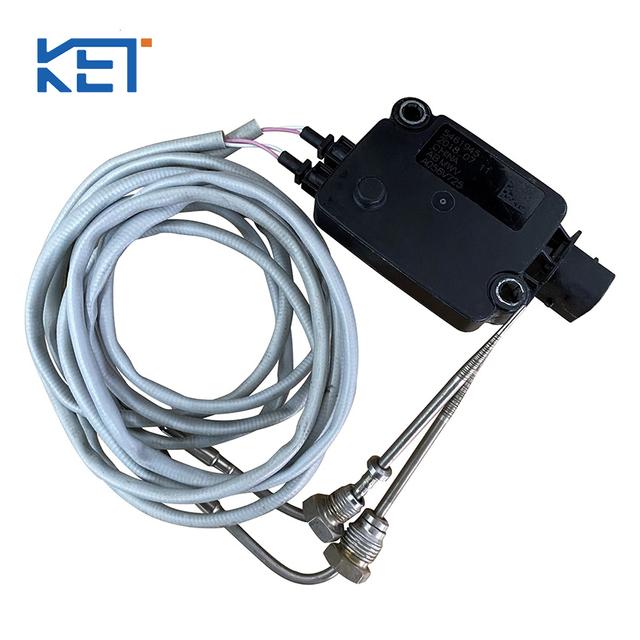
You can stop engine failure by using an exhaust gas temperature sensor. This device warns you early when exhaust temperatures get too high. Real-time monitoring helps you find problems fast, so you save money and time. Studies show that real-time data helps you keep your engine safe and fix issues before they get worse. Kreation sensors work well for cars and factories.
Exhaust gas temperature sensors give early warnings for high heat. This helps you stop engine damage and avoid expensive repairs.
Check sensor data often to find problems early. Doing this saves money and keeps your engine working well.
Put sensors in the right way and check wires often. Good installation gives correct readings and makes sensors work better.
Act fast if you see warning signs like engine misfires or less power. Quick action can stop big engine problems.
Pick good sensors that have certifications. Good sensors help your engine work better and make maintenance easier.
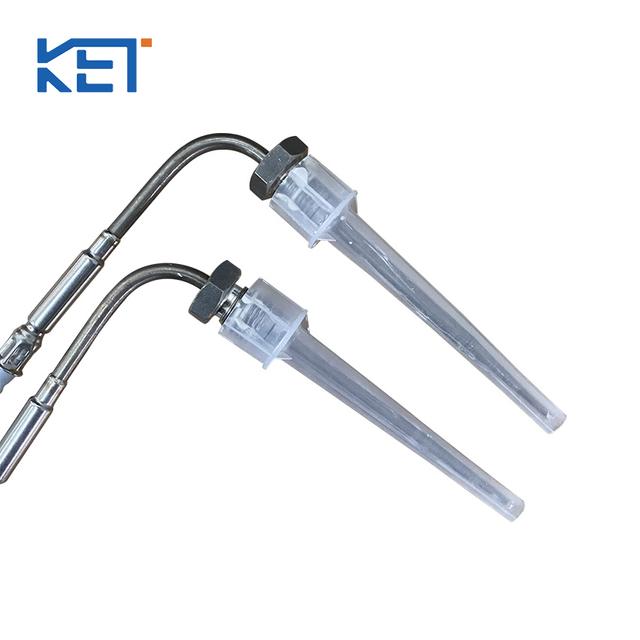
An exhaust gas temperature sensor checks how hot the exhaust is. This small device helps protect your engine. It gives you temperature readings right away. You can find these sensors in cars and trucks. They are also used in many machines at factories. These sensors help engines work well and stop them from getting too hot.
Zhejiang Kreation makes sensors that are very accurate. Their sensors last a long time. They use strong materials and new technology. You can use them in hard places, like turbocharged diesel engines. They also work in industrial kilns. The sensors can measure temperatures from -40°C to 1000°C. This means you can use them for many different jobs.
Here is a simple table showing the main parts of an exhaust gas temperature sensor:
Component | Function |
|---|---|
Sensor Tip | Senses exhaust heat and holds the thermocouple junction |
Ceramic or SS Sheath | Protects the sensor from heat, vibration, and soot |
Insulation Layers | Keeps signals clear and blocks outside heat |
Lead Wires | Sends signals, made from strong metals |
Sealing & Potting | Seals the sensor and keeps out moisture and gases |
Connector Interface | Lets you connect the sensor safely to your system |
These sensors use a part called a thermocouple. It has two metals joined together. When the exhaust gets hot, the metals make a tiny voltage. The sensor reads this voltage. It turns it into a temperature number.
Thermocouples work quickly and handle high heat.
Type K thermocouples are used a lot. They work from -40°C to 1200°C.
Type N thermocouples last longer. They resist heat and chemicals.
Your engine’s control unit uses the sensor’s data. It can change how much fuel the engine uses. It helps protect the engine. It also helps control pollution. This keeps your engine working well. It helps meet clean air rules.
Tip: Using good temperature sensors, like those from Zhejiang Kreation, helps you stop engine problems and save money on repairs.
You can keep your engine safe by finding high exhaust temperatures early. Temperature sensors check the heat in your exhaust all the time. If the temperature gets too high, the sensors notice fast. You get a warning before your engine gets hurt.
There are many reasons for high exhaust temperatures. It is important to know these reasons so you can fix problems quickly. Here is a table that lists the most common causes:
Cause | Description |
|---|---|
Excessive Engine Load | Overloading the engine can push it beyond its optimal operating range. |
Restricted Airflow | A clogged air filter or blocked intake can limit airflow. |
Fuel Issues | Improper fuel injection timing or low-quality fuel can lead to incomplete combustion. |
Turbocharger Malfunctions | A failing turbocharger can increase exhaust temperatures by reducing airflow efficiency. |
Exhaust Blockages | A partially clogged exhaust system restricts the escape of hot gases. |
If you see high exhaust temperatures, check these things first. Temperature sensors help you find the problem quickly. You can fix high exhaust temperature problems before they get worse.
Note: If you ignore high exhaust temperatures, your engine can get damaged and repairs can cost a lot. Always act fast when you get a warning.
Temperature sensors do more than just check heat. They give you early warnings if something is wrong. When exhaust temperatures get too high, the sensor sends a signal to your engine’s control unit. You might see a warning light or hear an alarm. This alert gives you time to fix problems before your engine fails.
Here are some ways temperature sensors help you:
Give early warnings for big engine problems.
Help you find cooling, combustion, and fuel system issues before they get bad.
Warn you when exhaust temperatures get very high, like 900°C.
Make the engine lower power, add more fuel, or turn on cooling systems.
Temperature sensors also help your engine’s control unit take action. If the temperature is too high, the system can lower engine power or start extra cooling. This keeps your engine safe and working well.
Functionality | Description |
|---|---|
Monitoring | Sensors always check exhaust gas temperature and send data to the control unit. |
Alerts | If temperatures go above safe limits, the control unit can take steps like lowering engine power. |
Prevention | These actions help stop overheating and wear, keeping your engine safe from damage. |
Real-life studies show that exhaust gas temperature sensors work well. For example, one study used sensors and machine learning to watch a marine diesel engine. The system found problems early by checking exhaust gas temperature. This stopped engine failure and saved money.
Tip: Always listen to early warnings from your temperature sensors. Acting quickly can save your engine and stop downtime.
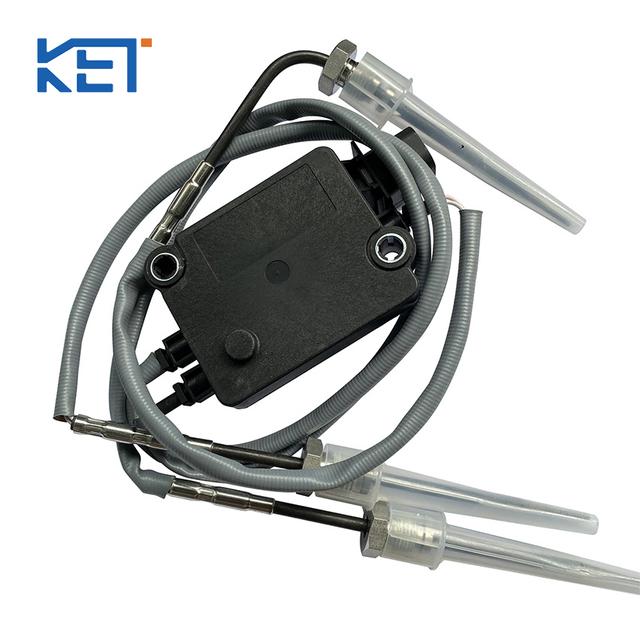
You must install temperature sensors the right way to get good readings. First, pick the best exhaust gas temperature sensor for your engine. Some sensors work better for wide ranges or high heat. Put the sensor in the right spot. It should be tight in the exhaust stream.
Here are some steps for installing sensors:
Check wires and connectors before you begin. Bad wires can give wrong readings.
Do not bend sensor wires too much. This stops them from breaking.
Make sure the sensor is seated well. If it is loose, signals may be wrong.
Use the right sensor for each engine spot. Different places may need different sensors.
Look at connections often. This helps keep readings correct.
When you change a sensor, use anti-seize on the threads. This makes it easy to remove later.
Be gentle with the sensor. If you are rough, it can break.
Tip: Careful installation helps you avoid problems and keeps your system working.
You should check sensor data often to keep your engine safe. Watching temperatures in real time helps you find problems early. Use a digital display or connect the sensor to your engine’s control unit.
Here are good ways to monitor sensors:
Look for damage on the sensor and wires.
Test voltage and resistance with a digital multimeter. This shows if the sensor works.
For thermistor sensors, heat them and watch resistance change.
Use an infrared thermometer to check pipe temperature near the sensor.
Make sure sensor readings match what the maker says.
If one sensor fails, replace all of them. This keeps your system working right.
Predictive maintenance helps you plan repairs before trouble starts. These systems use sensor data to warn you early. This saves money and keeps your engine running well.
Sensor Model | Temperature Range | Precision | Response Time | Certification |
|---|---|---|---|---|
Wide-Range | -40°C to 1000°C | ±1% | 400 ms | ISO 26313 |
Fast-Response | -40°C to 1000°C | ±1% | 300 ms | ISO 26313 |
High-Temperature | -40°C to 1000°C | ±1% | 350 ms | ISO 26313 |
Fast-response sensors work 40% faster than regular ones. This helps you make quick changes and supports predictive maintenance.
You need to know what warning signs mean when you check sensors. Predictive maintenance works best when you catch these signs early. Watch for sudden jumps in exhaust temperature. High numbers can mean trouble.
Common warning signs are:
Lower engine power and bad performance. The engine may feel weak.
Engine misfires and rough idling. The engine may shake or run unevenly.
Failed emissions test. High exhaust heat can cause more pollution.
Rotten egg smell from the exhaust. This can mean sensor failure or a bad catalytic converter.
If you see these signs, act fast. Check wires and connectors. Test voltage and resistance. Change broken sensors to keep your system working. Predictive systems help you fix problems before they get worse.
Note: Acting early using sensor data protects your engine and helps with predictive maintenance. You save money and avoid downtime.
Sometimes, temperature sensors have problems when you use them. These problems often happen because of things around the engine. Moisture can get inside the sensor and cause water drops. This can make the sensor lose data. Soot can cover the sensor and block it. This makes it hard to get good readings. The engine shakes and this can hurt how the sensor works. If your exhaust gas temperature sensor is not working, you may see warning lights or error codes.
Here is a table that shows how different things can change how well the sensor works:
Environmental Factor | Effect on Sensor Reliability |
|---|---|
Moisture | Can cause condensation leading to sensor malfunction and data loss. |
Soot | Accumulation can lead to sensor malfunction; soot removal is necessary for accurate readings. |
Vibration | Impacts sensor performance; robustness is necessary to withstand environmental conditions. |
You should also look out for these problems:
Chemicals can get on sensor wires and cause trouble.
Water can hurt the part where wires join.
Wrong current can make the sensor heat up by itself.
Hitting or pulling the sensor can break it.
If you see codes like P0544, P0546, or P2033, check the exhaust gas temperature sensor right away.
To keep your temperature sensors working, you should check them often. Look for soot on the sensor and clean it if you see any. Make sure nothing is blocking the exhaust or stopping air from moving. These things can make the sensor show high numbers. Always look for leaks or holes in the exhaust system. Predictive maintenance helps you find problems before they stop your engine.
Follow these best steps:
Check sensors often to make sure they work.
Test them to see if they are working right.
Clean off soot and dirt from the sensor.
Watch for heavy engine loads and blocked exhaust.
Tip: Checking sensors and doing maintenance helps your equipment work better and stops surprise problems.
Change the sensor if you hear engine ping or knock, or see a check engine light. If you fail an emissions test or see a warning for the particulate filter, check the exhaust gas temperature sensor. Other signs are bad driving, using more fuel, or losing power. Most PTC sensors last a few years. NTC sensors can last 10 to 15 years if they are sealed well.
Predictive systems can warn you before a sensor fails. This helps you fix things before they break. By stopping exhaust temperature problems, you keep your engine safe and your maintenance plan strong.
You can keep your engine safe by doing a few things. First, look at your exhaust gas temperature sensor for any damage. Next, test voltage and resistance to make sure it works. Then, check the wires and connectors for rust or if they are loose. If you find a bad sensor, change it and look for anything blocking the exhaust.
Good sensors that show data right away help you find problems early. These sensors help you fix things before they break. They also make your engine work better and save money. For important jobs, pick sensors with ISO 9001 and IATF 16949 certifications.
Benefit | Description |
|---|---|
Precision monitoring | Real-time data improves predictive maintenance |
Cost savings | Predictive alerts reduce long-term expenses |
Tip: Pick sensors you can trust and check them often to keep your engine working well.


