
close
Choose Your Site
Global
Social Media
Views: 0 Author: Site Editor Publish Time: 2025-10-14 Origin: Site
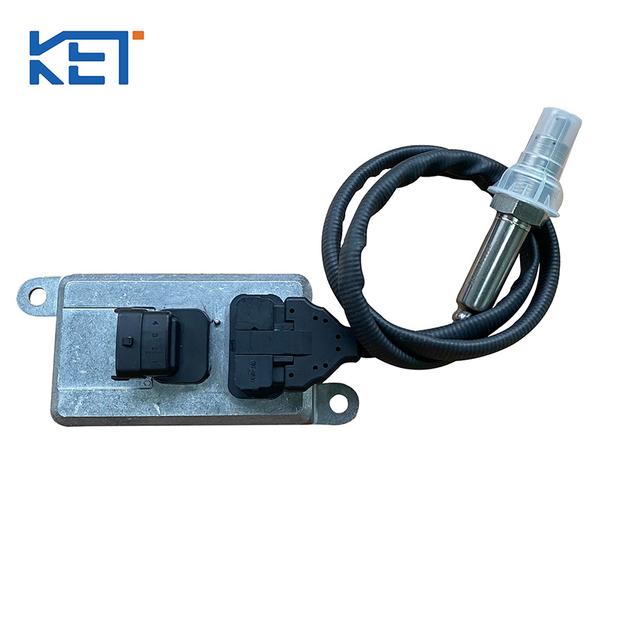
You want your car to be cleaner and run better. NOx sensors help lower harmful nitrogen oxides. This helps your car meet strict rules and last longer. Many new engines use smart systems to control pollution. These include Selective Catalytic Reduction and Lean NOx Trap, as shown in the table below:
Component Type | Role in Emissions Control |
|---|---|
Selective Catalytic Reduction (SCR) | Lowers NOx pollution using chemical reactions. |
Lean NOx Trap (LNT) | Holds and saves NOx pollution to clean it later. |
Exhaust Gas Recirculation (EGR) | Sends exhaust back to the engine to cool it down. This lowers NOx pollution. |
People need good NOx sensor technology more each year. The NOx sensor market may reach $4.5 billion by 2033. More car companies and drivers want better ways to cut pollution. Kreation’s new heat-resistant sensors are now the best for future pollution control.
NOx sensors lower bad nitrogen oxides, so your car is cleaner and follows tough emissions laws.
Advanced NOx sensors give real-time data to the engine, which helps it work better. This means you use less fuel and make fewer emissions.
NOx sensors have self-check and calibration features that keep them accurate. This lowers the chance of expensive repairs and keeps them working well for a long time.
Good NOx sensors can help you save money by stopping fines and lowering repair costs. They also help your car run well.
Buying new NOx sensor technology gets your car ready for future emissions rules. This keeps your car efficient and good for the environment.
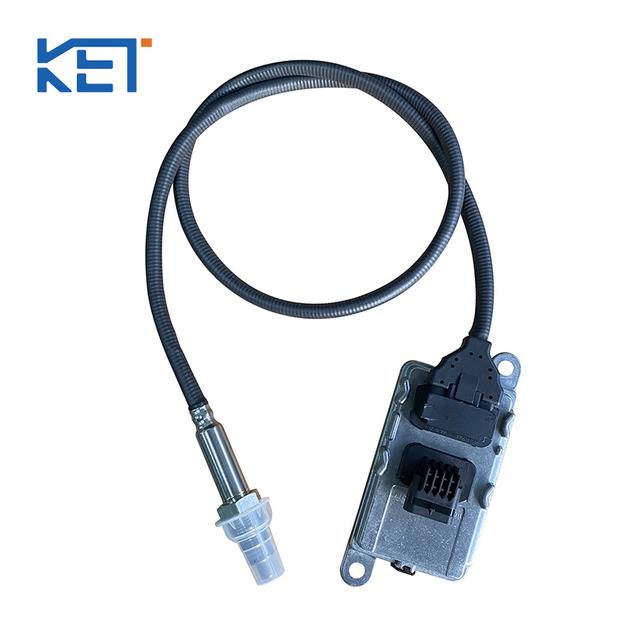
You want your car to work well and stay clean. E-Quality’s Heat-Resistant NOx Sensor helps with this. The sensor works in very hot or cold places, from -40°C to 800°C. It stays correct even when exhaust is 700°C. This makes it good for turbocharged engines and hybrid cars. It also works for other tough car jobs.
Modern NOx sensors use new materials and smart designs. These changes help the sensor measure nitrogen oxides right away and very accurately. You get better results, so your car follows strict emission rules. The sensor connects to your car’s system with a CAN bus. This makes it easy to put in and use.
E-Quality has many sensors for different jobs:
High-Resolution NOx Sensor: Good for engines that do not move and need careful checks.
Compact NOx Sensor: Fits in small spaces in hybrid cars.
High-Temperature NOx Sensor: Works well in hot turbocharged engines.
These sensors work with other systems that control pollution. For example, they help SCR aftertreatment and urea-SCR systems. The sensor gives data to your car’s computer. The computer uses this to change the SCR process. This lowers NOx and helps the environment. The teamwork helps your car follow rules now and in the future, like Euro 7.
Note: E-Quality keeps making better NOx sensors. They want their sensors to be ready for new rules and engine types.
Aspect | Description |
|---|---|
Monitoring | NOx sensors check nitrogen oxides in exhaust and send data to the ECU. |
Interaction with SCR | They help SCR systems work better to lower NOx. |
Interaction with EGR | They help EGR systems lower nitrogen oxides in exhaust. |
Regulatory Compliance | Needed to meet rules by keeping emissions under limits. |
Environmental Protection | Help lower nitrogen oxides, making air cleaner and safer. |
Enhanced Performance | Make engines use less fuel and run better with real-time data. |
You want your NOx sensor to last and work well. Self-diagnostics and calibration help with this. The sensor checks itself for problems and tells you if something is wrong. This helps stop failures and keeps your car running well.
Here is how these features help:
Self-calibration lets the sensor fix itself, so readings stay right.
You do not need to stop for checks as much, so you save time.
The sensor fixes errors over time, so you do not get wrong numbers.
Automation means fewer mistakes when calibrating.
The sensor changes with the environment, so your readings stay steady.
Some sensors use artificial intelligence, like neural networks, to get better at calibration. These smart systems can guess problems before they happen. This helps you avoid big repair bills. They also use new ways, like frequency spectrum analysis, to find problems early. This is faster and easier than old ways.
NOx sensors can have problems like getting old, dirty, or having electrical issues. Calibration errors can also happen. Self-diagnostics and calibration help stop these problems, so your sensor keeps working.
Failure Mode | Description |
|---|---|
Aging and Wear | NOx sensors get worse over time, especially in tough places, and may not read right. |
Contamination | Dirt and other stuff can make the sensor not work well. |
Electrical Problems | Wiring or connector problems can stop the sensor from talking to the ECM. |
Component Failure | Broken parts in the system can hurt sensor performance. |
Physical Damage | The sensor can get hit by road debris or crashes. |
Corrosion | Bad chemicals can make the sensor break down over time. |
Software or Calibration Issues | Problems can come from software, not just broken parts. |
You get many benefits from these new NOx sensors. Your car runs better, follows rules, and does not break down as much. E-Quality keeps working on new ideas, so you get the best NOx sensors for today and tomorrow.

You want your car to follow new emissions rules. NOx sensors help by checking nitrogen oxides in the exhaust. These sensors work in diesel and gasoline engines. They send data to your car’s computer right away. The computer uses this to change the engine and emissions system. This helps your car stay under pollution limits.
Many countries have strict rules like Euro 6 and Euro 7. These rules say cars must use advanced NOx sensors. The sensors work with On-Board Monitoring systems. These systems watch emissions every time you drive. The table below shows important facts about Euro 7 and NOx sensors:
Aspect | Details |
|---|---|
Regulation | Euro 7 |
Requirement | On-Board Monitoring (OBM) systems utilizing NOx sensors |
Importance | Monitoring emissions performance and ensuring compliance with new standards |
Measurement Uncertainty | OBM systems have inherent uncertainties compared to PEMS or laboratory measurements |
Sensor Accuracy Contribution | Sensors’ element accuracy is the greatest contributor to NOx uncertainty |
Tolerance | OBM tolerance is 28% (average) and up to 75% (maximum) of Euro 7 NOx emissions limits for 1 trip |
Sensor accuracy is very important. If your NOx sensor is correct, your car will pass tests. If it is not, your car might fail. This is why car makers use good sensors in new cars.
Tip: NOx sensors can help you avoid fines. If your car fails an emissions test, you may pay a penalty or need repairs.
NOx sensors help keep the air clean. They give the SCR system the right data. This teamwork keeps NOx low and helps you follow the law.
Your car’s NOx sensor helps the environment. The sensor checks NOx levels and tells the engine to change. This can mean using less fuel or changing how fuel burns. When the sensor works with the emissions system, your car makes less pollution.
NOx sensors are important in cities and on highways. In cities, many cars and trucks are close together. High NOx can make air dirty and unsafe. Good NOx measurement helps lower these levels. During COVID-19, less traffic made air cleaner. Scientists used sensors to watch this change. The table below shows how better NOx monitoring helped air quality:
Evidence Type | Description |
|---|---|
Case Study | The impact of reduced anthropogenic activities during the COVID-19 pandemic on NOx levels and air quality in urban areas. |
Monitoring Technology | Use of advanced low-cost sensor technologies for continuous NOx monitoring. |
Correlation | Significant correlation between reduced NOx levels and improved air quality observed during the pandemic. |
When NOx goes down, air gets cleaner. This is why your car’s sensor matters. It helps keep the air safe for everyone.
Studies show advanced NOx sensors help a lot. For example:
One study looked at over 14,000 heavy-duty diesel vehicles.
Vehicles with better sensors and stricter rules cut NOx by almost 79% compared to old models.
You get many benefits from good sensors:
Your car meets tough rules.
You help the environment.
You make air safer for family and friends.
NOx sensors are now a big part of modern cars. They help you drive cleaner and smarter every day.
You want your car to run smoothly and use less fuel. NOx sensors help you reach this goal. These sensors check the amount of nitrogen oxides in the exhaust. Your car’s computer uses this data to adjust how the engine works. When the sensor gives accurate readings, the engine can burn fuel more efficiently. You get better gas mileage and lower emissions.
NOx measurement is important for every automotive system. The sensor sends real-time data to the engine control unit. This helps the engine respond quickly to changes in driving conditions. You see the benefits when you drive in the city or on the highway. The sensor helps keep the exhaust clean and the engine running at its best.
Tip: A good NOx sensor can help you save money on fuel and repairs. It keeps your engine healthy and your car reliable.
You want your car to feel smooth when you drive. NOx sensors play a big role in this. When the sensor works well, the engine does not struggle or hesitate. You get steady power and fewer problems with acceleration. The sensor helps the engine adjust to different speeds and loads.
Studies show that fixing NOx sensors and updating software can make a big difference. Look at the table below to see how much NOx reduction you can get with hardware and software fixes:
Vehicle Type | Fix Type | NOx Reduction (%) |
|---|---|---|
1.6 L | Hardware + Software | 36 |
2.0 L | Software Only | 30 |
You see that both hardware and software changes help lower NOx. This means your car runs cleaner and smoother. The sensor keeps the exhaust system working well, so you get better performance every day.
You can trust modern sensors to keep your car running right. They help you enjoy driving while protecting the environment.
You want your car to last longer and cost less to fix. NOx sensors help you reach this goal. When your sensor works well, it keeps your engine and exhaust system healthy. The sensor checks the amount of NOx in the exhaust and sends this data to your car’s computer. The computer then adjusts the engine and aftertreatment systems, like SCR, to keep everything running smoothly.
If you notice problems with your sensor early, you can avoid bigger issues later. Here are some ways a working NOx sensor saves you money:
It helps your engine run at its best, so you use less fuel.
It keeps your exhaust system from getting damaged.
It supports the longevity of emission control parts.
It helps you spot problems before they turn into expensive repairs.
It keeps your car in line with emission rules, so you avoid extra costs.
When you use aftermarket NOx sensors, you can replace faulty sensors quickly. This keeps your car or fleet on the road and avoids costly downtime. Timely sensor maintenance means you spend less on repairs and keep your vehicle healthy.
NOx sensors do more than protect your car—they protect your wallet, too. Many places have strict rules about NOx emissions. If your car does not meet these rules, you could face fines or be forced to pay for repairs. A failing sensor can cause your car to release too much NOx, which can lead to penalties.
You can avoid these problems by keeping your sensors in good shape. Here is how NOx sensors help you stay compliant:
They make sure your car meets emission standards.
They help you pass inspections and avoid fines.
They keep your aftertreatment system working, so you do not have to pay for extra repairs.
Tip: Regular sensor checks and timely replacements keep your car running clean and save you money in the long run.
By using high-quality sensors, you protect both your car and your budget. You also help keep the air cleaner for everyone.
When you use cars with NOx sensors, you help clean the air. Nitrogen oxides come from car exhaust and factories. These gases can hurt your lungs and make city smog. NOx includes nitric oxide and nitrogen dioxide. When these gases meet sunlight, they make ground-level ozone. This makes the air dirty and unsafe for people.
NOx sensors help fight air pollution in a big way. The sensor checks how much NOx is in your car’s exhaust. It sends this data to your car’s computer right away. The computer uses the data to change how the engine works. This means less pollution and better air quality. Cities use these sensors to find places with lots of NOx. This helps leaders make smart plans to lower pollution.
Tip: You can use aftermarket NOx sensors to keep your car’s emissions low and help your community breathe easier.
When you use cars with advanced sensors, you help make transportation cleaner. Transportation makes almost 29% of greenhouse gas emissions in the United States. NOx sensors help lower these emissions by making sure your car follows strict rules like Euro 6 and EPA Tier 3.
Many car makers use NOx sensor technology to build cleaner cars. Tesla, Ford, and GM use real-time data from sensors to adjust engines and control emissions. This helps them meet tough standards and protect the environment.
Here is a table showing how NOx sensors help reduce emissions:
Evidence Description | Impact on Emissions |
|---|---|
NOx sensors are essential for monitoring and controlling NOx emissions in vehicles. | Help reduce NOx emissions by up to 90%, crucial for meeting stringent emission standards. |
You can see the benefits every day:
Sensors help your car run cleaner and use less fuel.
You help lower greenhouse gases and NOx pollution.
You support new technology that makes transportation safer for everyone.
More people want NOx sensors because they want cleaner air and better health. These sensors give correct readings, so companies can make smart plans to cut emissions. You help every time you choose a car with good sensor technology.
You want your car to be ready for new rules. NOx standards change often, so you need good technology. Europe and North America now have stricter air laws. These laws make car makers use better sensors to track and control NOx. The Europe Smart NOx Sensor market is growing fast because of these new rules. You see more smart sensors in hybrid and electric cars. These sensors last longer and give better data.
Here are some ways new rules change sensor design:
Car makers use smart sensors that work in tough places.
Hybrid and electric cars need special sensors for their systems.
Sensors now have better checks to find problems early.
Using both exhaust gas recirculation and SCR systems is important. EGR can lower NOx by about 40%. SCR systems can remove up to 90% of NOx from exhaust. When you use both, your car can meet the strict Euro 7 rules.
Note: Keeping up with new rules helps you avoid fines and keeps your car clean.
You get many benefits from new sensor upgrades. These upgrades help your car work with new engines and hybrid systems. E-Quality makes sensors with strong materials and smart features. You get sensors that last longer and work well in high heat.
Here is a table showing some top upgrades:
Technology Upgrade | Description |
|---|---|
Advanced Materials | Yttria-stabilized zirconia and perovskite-based sensors handle high heat and give precise data. |
Miniaturization through MEMS Technology | Smaller, lighter sensors use less power and fit in compact engines. |
Multi-functional Sensors | These sensors detect more than one gas, perfect for hybrid vehicles. |
Self-diagnostic Features | Sensors adjust in real time to engine load and driving style. |
Wireless Communication | You can check sensor health from a distance, saving time and money. |
E-Quality keeps working on new ideas and research. You get sensors that send real-time data and can even warn you about problems. As more cars go electric, you will see sensors that help both how the car runs and how comfortable it is inside.
Tip: If you pick cars with the newest NOx sensor technology, you will be ready for the future.
You get lots of good things when you use a NOx sensor in your car. These sensors help your car make less NOx pollution. They also help your engine work better and save you money on fixing your car. Experts say heat-resistant models are best for following rules and making sure your sensor works well.
Benefit | Description |
|---|---|
Emissions Control | NOx sensors help you follow tough rules and keep the air clean. |
Cost Savings | You can skip fines and spend less on gas with good NOx measurement. |
Long-Term Value | Strong sensors keep your engine safe and get your car ready for new rules. |
Picking smart NOx sensors helps your car run better and is good for the planet.


