
close
Choose Your Site
Global
Social Media
Views: 0 Author: Site Editor Publish Time: 2025-10-24 Origin: Site
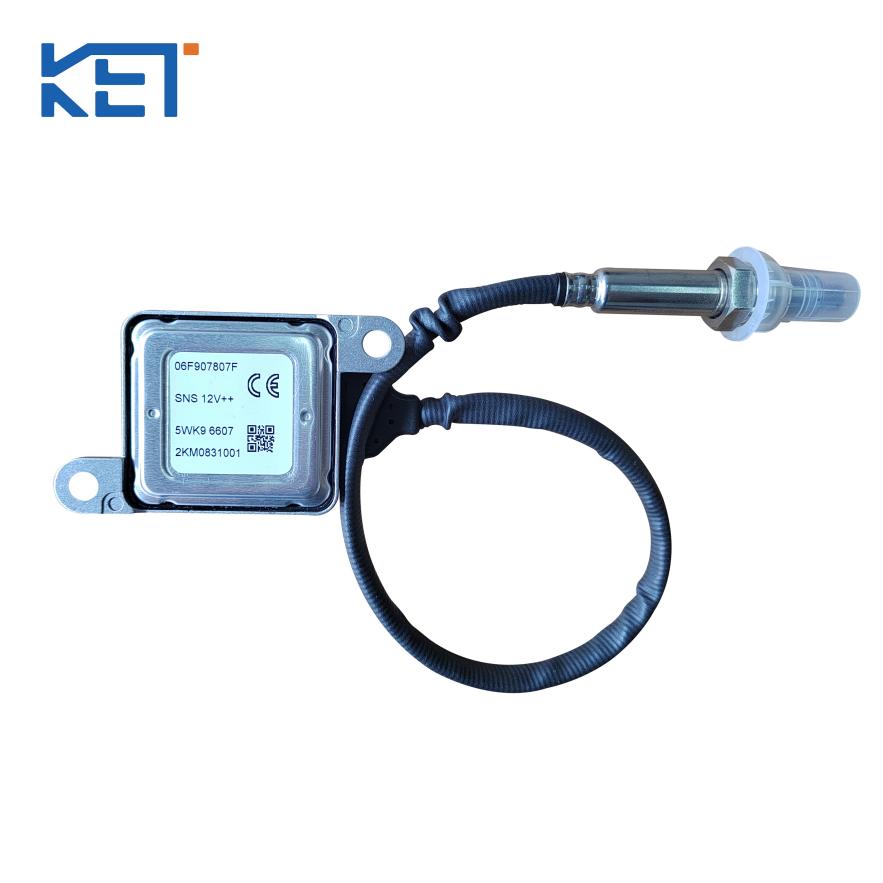
The evolution of NOx sensing technology is pivotal in modern emission control, playing a crucial role in reducing harmful emissions from vehicles and industrial processes. As environmental regulations become increasingly stringent, the demand for efficient and reliable NOx sensors has surged. This article delves into the advancements in NOx sensing technology, examining its impact on emission control systems and the environment. For those interested in exploring more about the NOx Sensor, the link provides comprehensive insights into its applications and benefits.
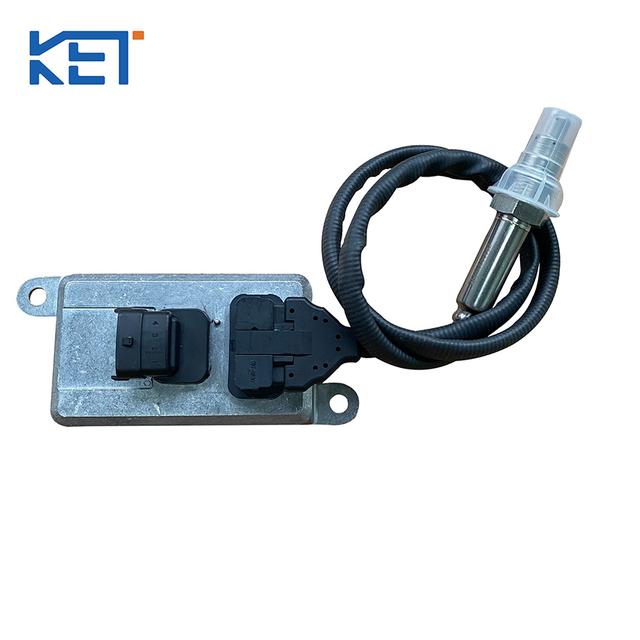
NOx sensors are critical in monitoring and controlling nitrogen oxides (NOx) emissions, which are significant contributors to air pollution and smog. These sensors are employed in various applications, including automotive, industrial, and environmental monitoring. The primary function of a NOx sensor is to measure the concentration of nitrogen oxides in exhaust gases, enabling the optimization of combustion processes and the reduction of harmful emissions.
The significance of NOx sensors extends beyond environmental protection. They are integral to ensuring compliance with emission standards set by regulatory bodies worldwide. As governments impose stricter limits on NOx emissions, industries are compelled to adopt advanced sensing technologies to meet these requirements. This shift has spurred innovation in NOx sensor design and functionality, resulting in more accurate and reliable devices.
The evolution of NOx sensing technology has been marked by significant advancements in sensor materials, design, and integration. Early NOx sensors were primarily based on electrochemical principles, which, while effective, had limitations in terms of response time and sensitivity. Recent developments have introduced more sophisticated technologies, such as solid-state sensors and laser-based systems, which offer enhanced performance characteristics.
Solid-state NOx sensors, for instance, utilize advanced ceramic materials that provide high-temperature stability and durability. These sensors are capable of operating in harsh environments, making them ideal for automotive and industrial applications. Additionally, laser-based NOx sensors employ tunable diode laser absorption spectroscopy (TDLAS) to achieve precise measurements of NOx concentrations. This method offers rapid response times and high sensitivity, making it suitable for real-time monitoring of emissions.
The integration of NOx sensors with emission control systems is a critical aspect of modern emission reduction strategies. These sensors provide real-time data that can be used to adjust engine parameters and optimize the performance of after-treatment systems, such as selective catalytic reduction (SCR) and exhaust gas recirculation (EGR). By continuously monitoring NOx levels, these systems can dynamically adapt to changing operating conditions, ensuring optimal emission control.
Furthermore, the integration of NOx sensors with advanced data analytics and machine learning algorithms has opened new avenues for predictive maintenance and system optimization. By analyzing sensor data, these technologies can identify patterns and predict potential failures, allowing for proactive maintenance and reducing downtime. This capability not only enhances the efficiency of emission control systems but also extends their operational lifespan.
Despite the significant advancements in NOx sensing technology, several challenges remain. One of the primary challenges is the need for sensors that can operate reliably under varying environmental conditions. Temperature fluctuations, humidity, and exposure to other gases can affect sensor performance, leading to inaccurate readings. To address these issues, researchers are exploring the development of multi-functional sensors that can simultaneously measure multiple parameters, providing a more comprehensive assessment of emissions.
Another challenge is the miniaturization of NOx sensors for integration into compact and portable devices. As the demand for portable emission monitoring solutions grows, there is a need for sensors that are not only small and lightweight but also maintain high accuracy and reliability. Advances in microfabrication techniques and nanotechnology hold promise for the development of next-generation NOx sensors that meet these requirements.
Looking ahead, the future of NOx sensing technology lies in the continued integration of sensors with digital technologies. The rise of the Internet of Things (IoT) and connected devices presents opportunities for the development of smart emission control systems that leverage real-time data and cloud-based analytics. These systems can provide insights into emission trends and enable more effective regulatory compliance, ultimately contributing to a cleaner and healthier environment.
The evolution of NOx sensing technology has been instrumental in advancing emission control strategies and reducing the environmental impact of industrial and automotive emissions. As the demand for cleaner air and stricter emission regulations continues to grow, the development of more advanced and reliable NOx sensors will be crucial. By embracing new materials, technologies, and integration strategies, the industry can continue to innovate and improve the effectiveness of emission control systems. For more insights into the applications and benefits of NOx sensors, the NOx Sensor link offers valuable information.
1. What are NOx sensors used for? NOx sensors are used to monitor and control nitrogen oxides emissions, which are harmful pollutants produced by vehicles and industrial processes.
2. How do NOx sensors work? NOx sensors measure the concentration of nitrogen oxides in exhaust gases, providing data that can be used to optimize combustion processes and reduce emissions.
3. What advancements have been made in NOx sensing technology? Recent advancements include the development of solid-state sensors and laser-based systems, which offer improved accuracy, sensitivity, and response times.
4. Why is the integration of NOx sensors with emission control systems important? Integration allows for real-time monitoring and adjustment of engine parameters, optimizing the performance of after-treatment systems and ensuring compliance with emission standards.
5. What challenges do NOx sensors face? Challenges include ensuring reliable operation under varying environmental conditions and developing compact, portable sensors for broader applications.
6. How can digital technologies enhance NOx sensing? Digital technologies, such as IoT and cloud-based analytics, enable smart emission control systems that leverage real-time data for improved regulatory compliance and system optimization.
7. What is the future of NOx sensing technology? The future lies in continued innovation in sensor materials, design, and integration with digital technologies to create more effective and reliable emission control solutions.


