
close
Choose Your Site
Global
Social Media
Views: 0 Author: Site Editor Publish Time: 2025-10-20 Origin: Site
In recent years, the global focus on environmental sustainability has intensified, leading to stringent regulations aimed at reducing harmful emissions. One of the most critical pollutants targeted by these regulations is nitrogen oxides (NOx), which contribute significantly to air pollution and have adverse effects on human health and the environment. As a result, the demand for advanced technologies to monitor and control NOx emissions has surged. Among these technologies, the NOx Sensor has emerged as a pivotal tool in ensuring environmental compliance. This article delves into the impact of intelligent NOx sensors on environmental compliance, exploring their technological advancements, applications, and benefits.
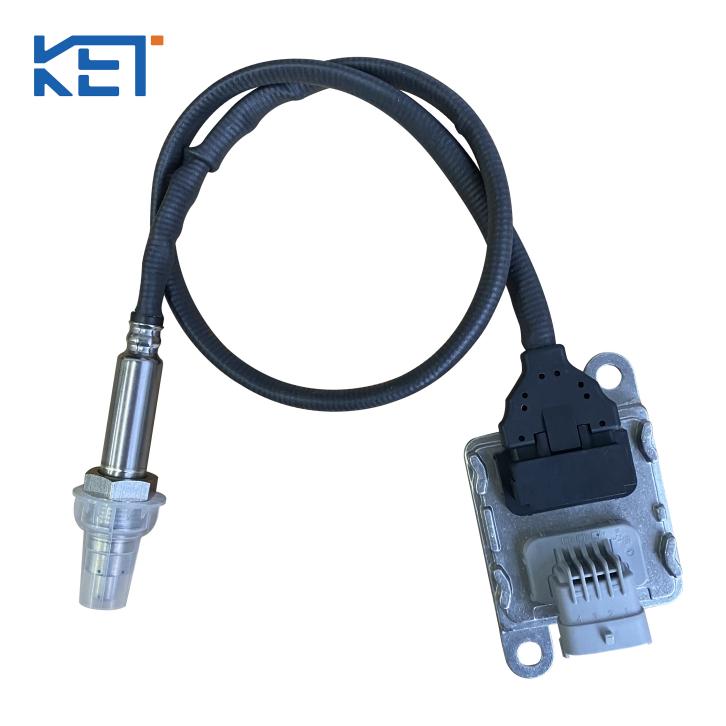
Nitrogen oxides, commonly referred to as NOx, are a group of gases composed of nitrogen and oxygen. The primary sources of NOx emissions include combustion processes in vehicles, power plants, and industrial facilities. These emissions contribute to the formation of smog, acid rain, and particulate matter, posing significant risks to respiratory health and ecosystems. The reduction of NOx emissions is crucial for improving air quality and mitigating climate change impacts.
Regulatory bodies worldwide have implemented stringent standards to limit NOx emissions. For instance, the European Union's Euro 6 standards and the United States Environmental Protection Agency's Tier 3 standards mandate significant reductions in NOx emissions from vehicles. Compliance with these regulations necessitates the adoption of advanced emission control technologies, with NOx sensors playing a vital role in monitoring and ensuring adherence to these limits.
NOx sensors are critical components in modern emission control systems. They provide real-time data on NOx concentrations in exhaust gases, enabling precise control of emission reduction technologies such as selective catalytic reduction (SCR) systems. By continuously monitoring NOx levels, these sensors help optimize the performance of emission control systems, ensuring that vehicles and industrial processes remain within regulatory limits.
Intelligent NOx sensors have advanced significantly in recent years, incorporating features such as self-diagnosis, adaptive learning, and wireless communication. These enhancements enable more accurate and reliable measurements, reducing the likelihood of false readings and improving overall system efficiency. The integration of intelligent NOx sensors into emission control systems has become essential for achieving compliance with stringent environmental regulations.
The development of intelligent NOx sensors has been driven by advancements in materials science, electronics, and data analytics. Modern NOx sensors utilize advanced materials such as zirconia and titania, which offer high sensitivity and stability under harsh operating conditions. These materials enable sensors to operate effectively across a wide range of temperatures and pressures, ensuring accurate measurements in diverse environments.
In addition to material advancements, the integration of microelectromechanical systems (MEMS) technology has revolutionized NOx sensor design. MEMS-based sensors are compact, lightweight, and energy-efficient, making them ideal for automotive and industrial applications. These sensors can be easily integrated into existing systems, providing seamless monitoring and control of NOx emissions.
Data analytics and machine learning algorithms have further enhanced the capabilities of intelligent NOx sensors. By analyzing historical and real-time data, these algorithms can predict emission trends and optimize sensor performance. This predictive capability allows for proactive maintenance and system adjustments, reducing downtime and ensuring continuous compliance with emission standards.
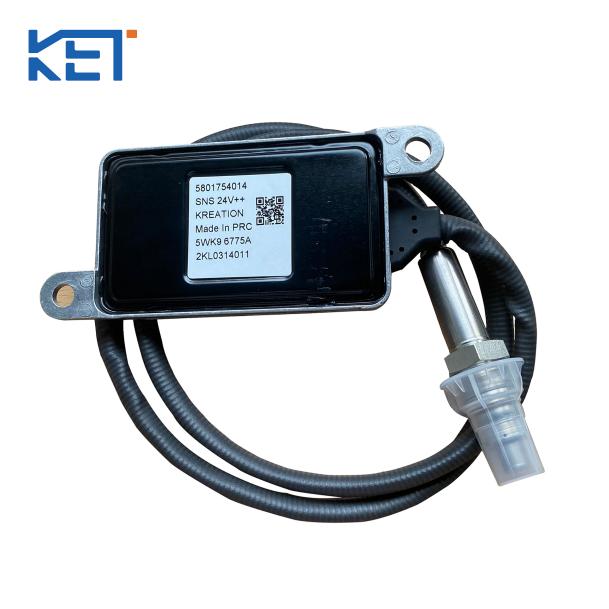
Intelligent NOx sensors find applications across various sectors, including automotive, power generation, and industrial manufacturing. In the automotive industry, these sensors are integral to the operation of diesel engines, where they monitor and control NOx emissions to meet regulatory standards. By providing real-time feedback to engine control units, NOx sensors enable precise adjustments to fuel injection and exhaust gas recirculation systems, optimizing engine performance and reducing emissions.
In power generation, NOx sensors are used in gas turbines and coal-fired power plants to monitor and control emissions. These sensors ensure that power plants operate within permitted emission limits, minimizing their environmental impact. The integration of NOx sensors into power plant control systems allows for real-time adjustments to combustion processes, enhancing efficiency and reducing fuel consumption.
Industrial manufacturing processes, such as cement production and chemical manufacturing, also benefit from the use of intelligent NOx sensors. By monitoring emissions from industrial furnaces and kilns, these sensors help industries comply with environmental regulations and reduce their carbon footprint. The data provided by NOx sensors enables manufacturers to optimize production processes, improving overall efficiency and sustainability.
The adoption of intelligent NOx sensors offers numerous benefits for environmental compliance and operational efficiency. By providing accurate and reliable data on NOx emissions, these sensors enable industries to meet regulatory requirements and avoid costly fines and penalties. The real-time monitoring capabilities of NOx sensors also facilitate proactive maintenance and system optimization, reducing downtime and operational costs.
Furthermore, intelligent NOx sensors contribute to improved air quality and public health by reducing harmful emissions. By ensuring compliance with emission standards, these sensors help mitigate the environmental and health impacts of NOx pollution. The integration of NOx sensors into emission control systems also supports the transition to cleaner and more sustainable energy sources, promoting environmental sustainability.
Despite their numerous benefits, the implementation of intelligent NOx sensors presents several challenges. The initial cost of sensor installation and integration can be significant, particularly for small and medium-sized enterprises. Additionally, the complexity of sensor systems requires specialized knowledge and expertise for effective operation and maintenance.
Future developments in NOx sensor technology are expected to address these challenges by reducing costs and enhancing user-friendliness. Advances in sensor miniaturization and wireless communication will facilitate easier integration into existing systems, while improvements in data analytics and machine learning will enhance sensor accuracy and reliability. As the demand for cleaner and more efficient technologies continues to grow, intelligent NOx sensors will play an increasingly important role in achieving environmental compliance and sustainability goals.
Intelligent NOx sensors are indispensable tools in the quest for environmental compliance and sustainability. By providing accurate and real-time data on NOx emissions, these sensors enable industries to meet stringent regulatory standards and reduce their environmental impact. The technological advancements in NOx sensor design and functionality have significantly enhanced their capabilities, making them essential components of modern emission control systems. As industries continue to prioritize environmental sustainability, the role of intelligent NOx sensors in achieving compliance and promoting cleaner technologies will only become more critical.
1. What are NOx emissions, and why are they harmful?
NOx emissions are gases composed of nitrogen and oxygen, primarily produced by combustion processes. They contribute to air pollution, smog, and acid rain, posing risks to respiratory health and the environment.
2. How do NOx sensors work?
NOx sensors monitor the concentration of nitrogen oxides in exhaust gases, providing real-time data to optimize emission control systems and ensure compliance with regulatory standards.
3. What are the benefits of using intelligent NOx sensors?
Intelligent NOx sensors offer accurate emission monitoring, enabling regulatory compliance, operational efficiency, and reduced environmental impact.
4. What challenges do industries face in implementing NOx sensors?
Challenges include the initial cost of installation, system complexity, and the need for specialized expertise for operation and maintenance.
5. How are NOx sensors used in the automotive industry?
In the automotive industry, NOx sensors monitor emissions from diesel engines, providing data to adjust fuel injection and exhaust systems for optimal performance and compliance.
6. What technological advancements have improved NOx sensors?
Advancements include the use of advanced materials, MEMS technology, and data analytics, enhancing sensor accuracy, reliability, and integration capabilities.
7. What is the future outlook for NOx sensor technology?
The future of NOx sensor technology involves reducing costs, improving user-friendliness, and enhancing integration with existing systems to support environmental compliance and sustainability goals.


