
close
Choose Your Site
Global
Social Media
Views: 0 Author: Site Editor Publish Time: 2025-09-25 Origin: Site
In the realm of environmental regulations and automotive engineering, ensuring emissions compliance has become a critical concern for manufacturers and policymakers alike. The advent of advanced technologies, such as Smart NOx Sensors, has revolutionized the way emissions are monitored and controlled. These sensors play a pivotal role in reducing nitrogen oxides (NOx) emissions, which are significant contributors to air pollution and have adverse effects on human health and the environment. For those interested in exploring more about the role of NOx sensors in emissions compliance, the NOx Sensor page offers valuable insights.
Nitrogen oxides (NOx) are a group of gases that are primarily produced from the combustion of fossil fuels in vehicles, power plants, and industrial facilities. These gases, including nitrogen dioxide (NO2) and nitric oxide (NO), are known for their role in forming smog and acid rain, as well as contributing to the greenhouse effect. The regulation of NOx emissions is crucial to mitigating their impact on air quality and public health.
The automotive industry, in particular, faces stringent regulations to limit NOx emissions from vehicles. This has led to the development and implementation of advanced technologies, such as catalytic converters and exhaust gas recirculation systems, to reduce emissions. However, the effectiveness of these technologies largely depends on accurate monitoring and control, which is where Smart NOx Sensors come into play.
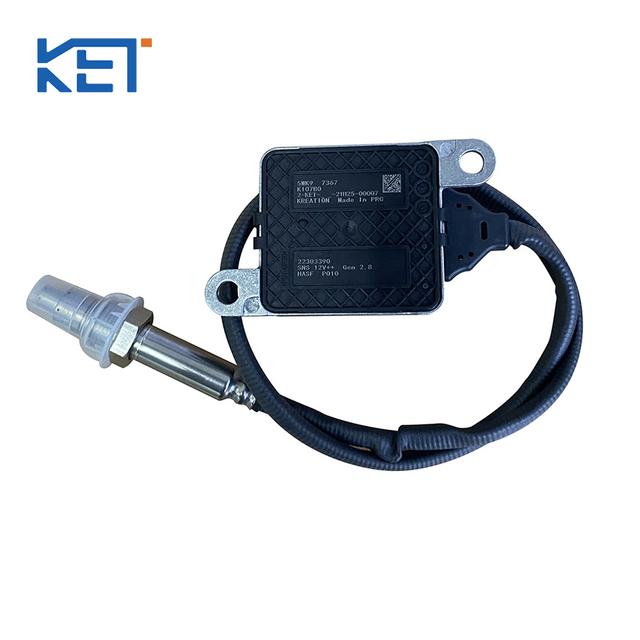
Smart NOx Sensors are sophisticated devices designed to measure the concentration of nitrogen oxides in the exhaust gases of vehicles. They provide real-time data that is crucial for the effective functioning of emission control systems. By accurately monitoring NOx levels, these sensors enable the optimization of engine performance and the reduction of harmful emissions.
One of the key advantages of Smart NOx Sensors is their ability to provide precise measurements even under varying operating conditions. This is achieved through advanced sensor technologies that can withstand high temperatures and harsh environments. As a result, they are widely used in both diesel and gasoline engines to ensure compliance with emissions standards.
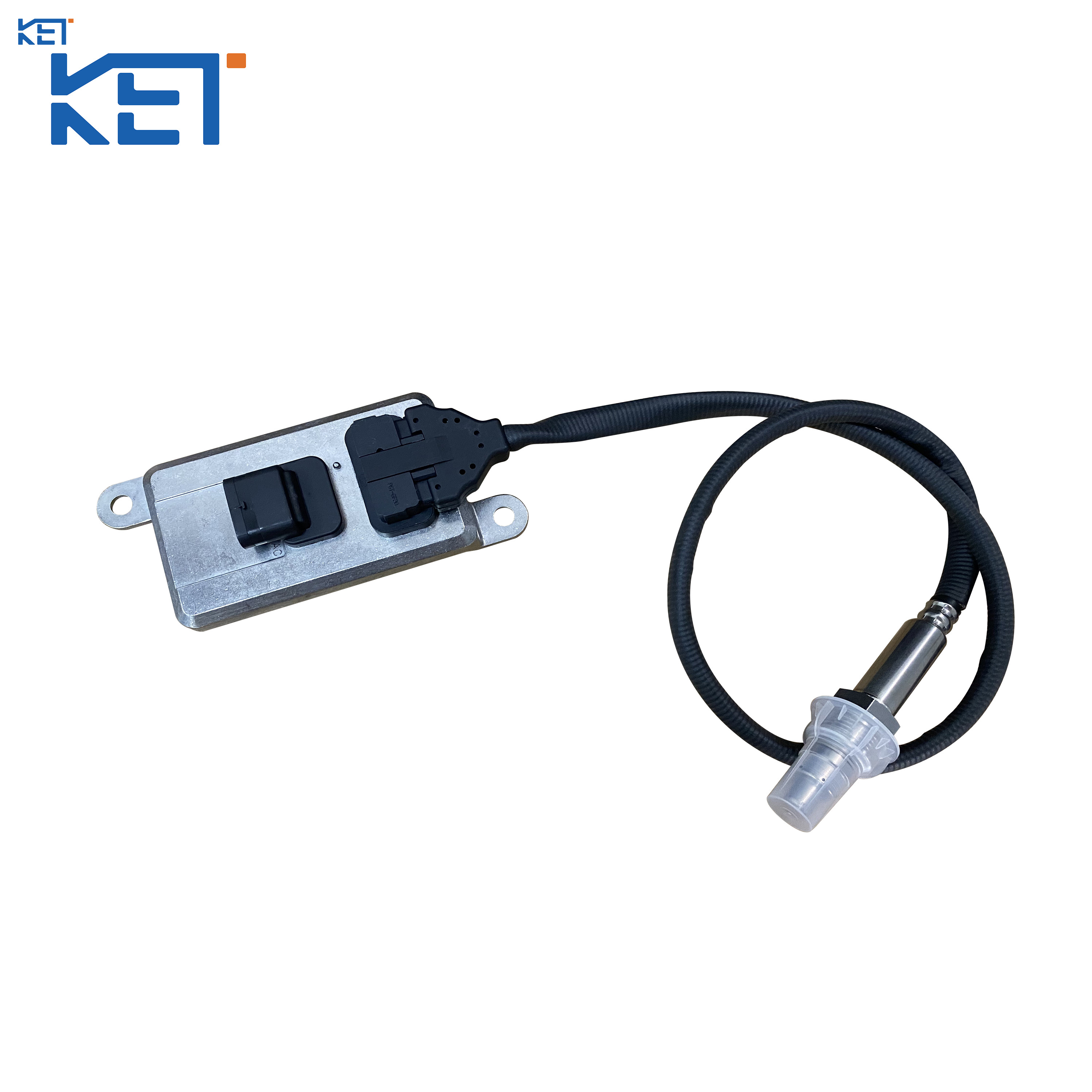
The evolution of NOx sensor technology has been marked by significant advancements that have enhanced their accuracy, reliability, and durability. Modern NOx sensors utilize advanced materials and design innovations to improve their performance. For instance, the use of ceramic-based sensors has increased their resistance to high temperatures and corrosive environments, making them more suitable for automotive applications.
Furthermore, the integration of digital communication protocols has enabled seamless connectivity between NOx sensors and vehicle control systems. This allows for real-time data exchange and more precise control of emission reduction technologies. The result is a more efficient and effective approach to managing NOx emissions, which is essential for meeting stringent regulatory requirements.
The implementation of Smart NOx Sensors has had a profound impact on emissions compliance across various industries. By providing accurate and reliable data, these sensors enable manufacturers to optimize their emission control strategies and ensure that their products meet regulatory standards. This not only helps in avoiding costly fines and penalties but also enhances the reputation of manufacturers as environmentally responsible entities.
In the automotive sector, the use of Smart NOx Sensors has become a standard practice for ensuring compliance with emissions regulations. They are an integral part of modern emission control systems, working in conjunction with other technologies to minimize the environmental impact of vehicles. This has led to significant reductions in NOx emissions, contributing to improved air quality and public health.
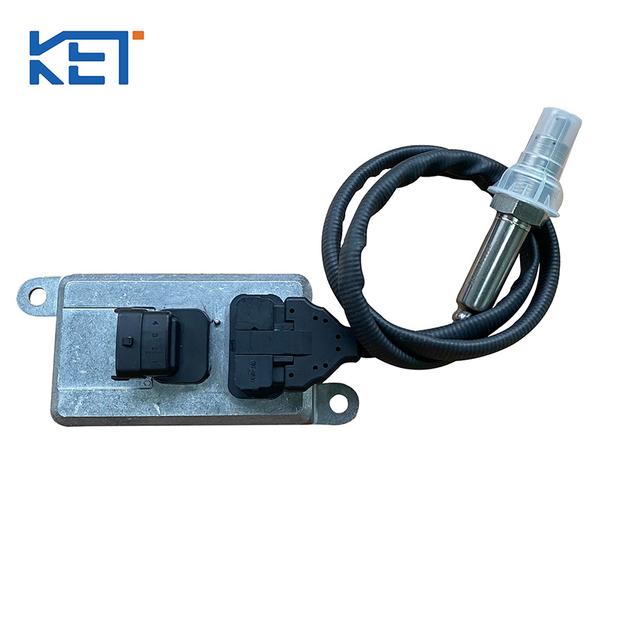
Despite the advancements in NOx sensor technology, there are still challenges that need to be addressed. One of the primary challenges is the need for sensors that can operate effectively in a wide range of conditions, including extreme temperatures and varying fuel compositions. Additionally, the integration of NOx sensors with other vehicle systems requires careful consideration to ensure compatibility and reliability.
Looking ahead, the future of NOx sensor technology is likely to be shaped by ongoing research and development efforts. Innovations in materials science and sensor design are expected to lead to the development of more robust and efficient sensors. Furthermore, the increasing emphasis on reducing greenhouse gas emissions is likely to drive the demand for advanced NOx sensors that can support the transition to cleaner and more sustainable transportation solutions.
In conclusion, Smart NOx Sensors are a critical component of modern emission control systems, playing a vital role in ensuring emissions compliance. Their ability to provide accurate and real-time data enables manufacturers to optimize their emission reduction strategies and meet regulatory requirements. As the demand for cleaner and more sustainable transportation solutions continues to grow, the importance of advanced NOx sensor technology will only increase. For those interested in learning more about the role of NOx sensors in emissions compliance, the NOx Sensor page offers valuable insights.
1. What are NOx emissions and why are they harmful?
Nitrogen oxides (NOx) are gases produced from the combustion of fossil fuels. They contribute to air pollution, smog, acid rain, and have adverse effects on human health and the environment.
2. How do Smart NOx Sensors work?
Smart NOx Sensors measure the concentration of nitrogen oxides in exhaust gases, providing real-time data for optimizing engine performance and reducing emissions.
3. What advancements have been made in NOx sensor technology?
Advancements include the use of ceramic-based sensors for high-temperature resistance and digital communication protocols for seamless connectivity with vehicle systems.
4. Why are Smart NOx Sensors important for emissions compliance?
They provide accurate data that helps manufacturers optimize emission control strategies, ensuring compliance with regulatory standards and reducing environmental impact.
5. What challenges do NOx sensors face?
Challenges include operating effectively in extreme conditions and ensuring compatibility with other vehicle systems.
6. What is the future of NOx sensor technology?
Future developments may include more robust and efficient sensors, driven by innovations in materials science and sensor design.
7. How do NOx sensors contribute to sustainable transportation?
They support the reduction of harmful emissions, aiding the transition to cleaner and more sustainable transportation solutions.


