
close
Choose Your Site
Global
Social Media
Views: 0 Author: Site Editor Publish Time: 2025-12-29 Origin: Site
Marine exhaust temperature sensors are vital for monitoring engine health and safety. These sensors measure exhaust gas temperatures, helping prevent damage, optimize fuel use, and comply with emissions standards. In this article, we will explore how marine exhaust temperature sensors work, their types, and their role in maintaining engine performance and safety.
A marine exhaust temperature sensor is a specialized device used to monitor the temperature of exhaust gases in a marine engine's exhaust system. The exhaust gas temperature (EGT) is a vital parameter that directly impacts engine performance, fuel efficiency, and longevity. By continuously monitoring the temperature of the exhaust gases, these sensors provide crucial data to ensure that the engine is operating within its optimal temperature range.
Excessive heat in the exhaust system can cause significant damage to the engine. The role of the marine exhaust temperature sensor is to help prevent such damage by ensuring the engine runs at an optimal temperature. These sensors alert the engine control unit (ECU) of any deviations from the normal temperature range, allowing for timely adjustments to prevent overheating or other engine malfunctions.
1. Engine Protection: Prevents overheating, which can lead to severe engine damage and costly repairs.
2. Efficiency Monitoring: Ensures the engine is running at an optimal temperature for peak performance and fuel efficiency.
3. Early Fault Detection: Identifies irregularities in the exhaust gas temperature, providing early warnings for engine inefficiencies or malfunctions.
Marine exhaust temperature sensors are primarily categorized into two types: RTD (Resistant Temperature Detector) sensors and thermocouple sensors. The type of sensor chosen depends on the engine's temperature range, the environment in which it operates, and the specific requirements for temperature measurement.
RTD sensors are designed for applications that require high precision and stability. These sensors operate effectively in the lower temperature range, typically from 0°C to 600°C. RTDs are known for their accuracy and reliability over extended periods, which makes them an ideal choice for engines where consistent, long-term performance is needed.
Thermocouple sensors are suitable for higher-temperature applications. They are particularly well-suited for environments where temperatures can exceed the range of RTD sensors. Thermocouples operate by measuring the voltage difference generated at the junction of two dissimilar metals, which changes as the temperature fluctuates. This makes them ideal for high-temperature environments, where they are used to monitor exhaust gases at temperatures ranging from 0°C to 800°C.
● Temperature Range: 0-800°C
● Durability: Rugged and capable of handling high-temperature environments.
● Application: Frequently used in high-performance marine engines or applications where high exhaust temperatures are expected.
Feature | RTD (REG1A) | Thermocouple (TEG1A) |
Temperature Range | 0-600°C | 0-800°C |
Accuracy | High precision | Moderate precision |
Durability | Moderate | High durability for harsh environments |
Applications | Marine engines requiring precise measurements | High-temperature, rugged marine environments |
Material | Platinum-based | Metal junction (e.g., copper, iron) |
Cost | Generally more expensive due to precision | Typically less expensive but more suited for extreme temperatures |
The choice between RTD and thermocouple sensors depends largely on the temperature range required by the engine and the environmental conditions. For precise temperature measurement in controlled ranges, RTD sensors are ideal. For applications involving extreme temperatures and rugged conditions, thermocouple sensors are more suitable.
Marine exhaust temperature sensors measure the temperature of the exhaust gases as they flow through the exhaust system. The sensors use either resistance (RTD) or voltage (thermocouple) changes to measure the temperature accurately. These sensors are engineered to work in high-vibration and high-temperature environments, which are common in marine applications.
The temperature readings from the sensor provide valuable insights into engine performance. Excessive exhaust temperature can indicate inefficient combustion, potentially leading to engine damage, fuel wastage, and increased emissions. By continuously monitoring these temperatures, marine exhaust temperature sensors help maintain engine efficiency and prevent overheating.
Once the exhaust temperature is measured, the sensor transmits this data to the engine's ECU. The ECU uses this data to adjust engine parameters, such as fuel injection timing, air-fuel ratios, and turbocharging, to maintain optimal combustion conditions. This real-time data allows the engine to operate at its most efficient level, reducing fuel consumption, emissions, and the risk of engine damage.
The timely transmission of accurate temperature data helps in maintaining the overall health of the engine and contributes to longer operational life.
Marine exhaust temperature sensors play a vital role in protecting the engine from overheating and other temperature-related damage. When the exhaust temperature exceeds safe levels, the sensors alert the ECU to adjust engine parameters, reducing the risk of overheating and preventing damage to critical components like the turbocharger or catalytic converter.
Excessive temperatures can cause a range of issues, from engine knocking to the failure of critical engine parts. Continuous monitoring ensures that the engine operates within the safe temperature range, which is essential for both the engine's longevity and the safety of the vessel.
In addition to protecting the engine, marine exhaust temperature sensors help optimize fuel efficiency and reduce harmful emissions. By maintaining optimal combustion temperatures, these sensors ensure that the engine operates as efficiently as possible, reducing fuel consumption. This is particularly important in the context of strict marine emission regulations that require vessels to minimize their environmental impact.
By helping the engine run efficiently and ensuring proper exhaust treatment, the sensor plays an essential role in achieving emission compliance and improving fuel economy.
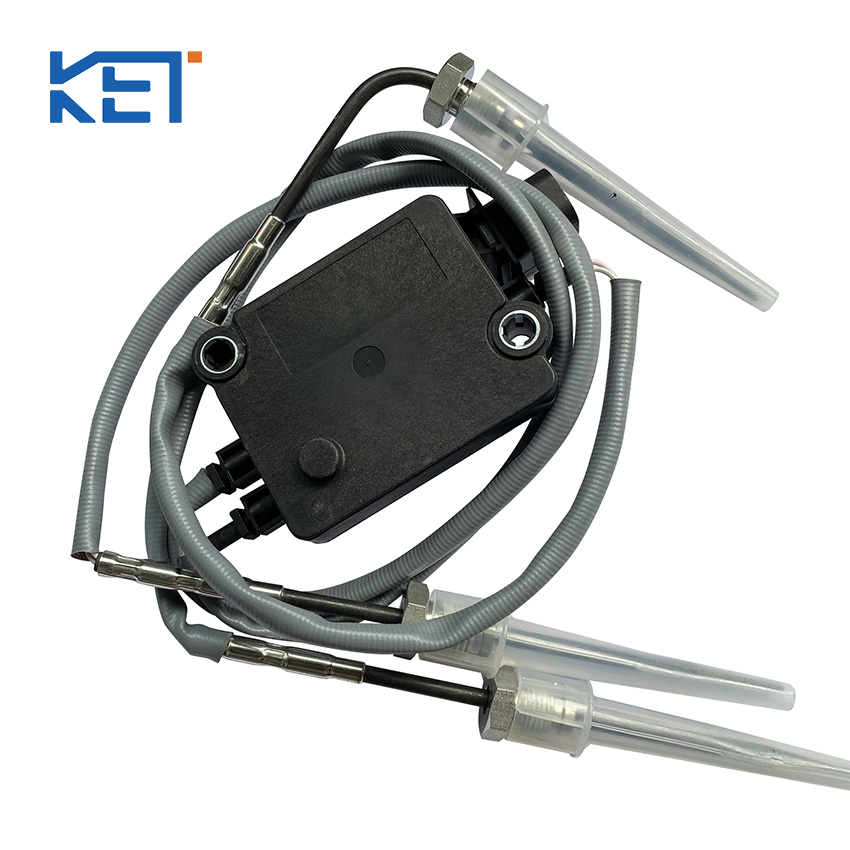
Marine exhaust temperature sensors are commonly used in 2-stroke diesel engines, which are widely used in marine propulsion systems. These engines power many types of vessels, including container ships, bulk carriers, and tankers. The sensors monitor the temperature of the exhaust gases and provide data that helps optimize engine performance, improve fuel efficiency, and reduce the risk of engine damage.
In large vessels, where high engine performance is crucial for efficient operation, the sensors ensure that the engine operates within optimal temperature ranges, avoiding overheating and damage to sensitive components.
Marine exhaust temperature sensors are also essential for retrofit applications and spare part replacement. As older sensors wear out or become less reliable, upgrading to modern, more accurate temperature sensors can enhance engine monitoring and improve overall performance. These new sensors ensure that the engine operates within the proper temperature range and provide better diagnostics for early fault detection.
The modern sensors are designed to fit seamlessly into existing systems, minimizing downtime during installation and ensuring reliable performance throughout their lifespan.
When choosing a marine exhaust temperature sensor, it is essential to select the appropriate sensor based on the engine's operating temperature range. For engines operating at lower temperatures, an RTD sensor with a range of 0-600°C might be sufficient. For engines that run at higher temperatures, thermocouple sensors with a range of 0-800°C may be required.
Understanding the specific temperature needs of the engine is crucial for selecting the correct sensor to ensure accurate temperature readings and optimal engine performance.
Marine environments are harsh, with high vibrations, corrosive saltwater, and fluctuating temperatures. As such, durability is a critical factor when selecting a marine exhaust temperature sensor. The sensor should be designed to withstand these challenging conditions and provide reliable data over time.
Many sensors are made from acid-proof stainless steel (AISI 316Ti), which offers resistance to corrosion and high temperatures. Additionally, the installation of the sensor should be optimized for the engine system to ensure easy integration and long-term reliability.
Sensor Type | Temperature Range | Accuracy | Applications | Material | Durability |
RTD (REG1A) | 0-600°C | High precision | Marine 2-stroke diesel engines | Acid-proof Stainless Steel | High vibration and thermal resistance |
Thermocouple (TEG1A) | 0-800°C | Moderate precision | High-temperature marine applications | Stainless Steel | Rugged, high heat tolerance |
Marine exhaust temperature sensors can experience issues such as faulty readings, degraded performance, or wiring problems. When sensors malfunction, it can lead to inaccurate temperature measurements, causing the engine to operate inefficiently or fail to detect overheating issues. It's essential to recognize signs of sensor failure, such as inconsistent temperature readings, failure to transmit data to the ECU, or a triggered "check engine" light.
Regular maintenance can help extend the lifespan of marine exhaust temperature sensors and ensure they continue to provide accurate data. Cleaning the sensor periodically and checking for wiring issues can prevent performance degradation. Additionally, calibrating the sensor can ensure that it remains accurate over time. Routine inspections will help identify any issues early on and prevent sensor failure, ensuring reliable operation of the engine.
Marine exhaust temperature sensors are essential for monitoring engine performance, ensuring safety, and optimizing fuel efficiency. These sensors protect the engine from overheating, reduce emissions, and improve fuel economy. By selecting the right sensor for your engine and maintaining it regularly, vessel owners can ensure their engines operate at peak efficiency for years to come.
Zhejiang Kreation Electronic Technology Co., Ltd. offers high-quality marine exhaust temperature sensors, providing reliable performance, longer engine life, and compliance with emission standards.
A: A marine exhaust temperature sensor measures the temperature of exhaust gases in marine engines to ensure safe operation and optimal performance.
A: The marine exhaust temperature sensor detects the temperature of exhaust gases and transmits this data to the engine’s ECU for real-time monitoring.
A: It helps protect the engine from overheating, improves fuel efficiency, and ensures compliance with emission standards by monitoring exhaust temperatures.
A: Installation involves placing the sensor in the exhaust system, ensuring proper wiring, and connecting it to the engine's ECU for accurate data transmission.
A: Marine exhaust temperature sensors include RTD (REG1A) sensors for precision and thermocouple (TEG1A) sensors for high-temperature applications.


