
close
Choose Your Site
Global
Social Media
Views: 0 Author: Site Editor Publish Time: 2025-09-22 Origin: Site
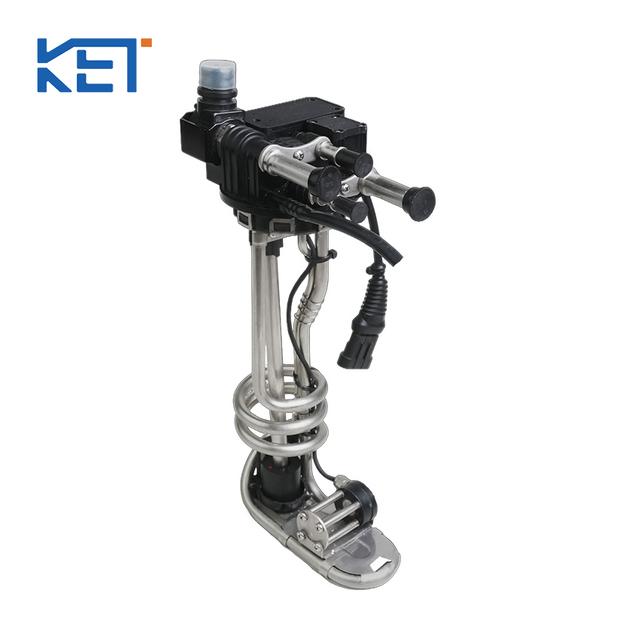
Modern diesel engines need DEF Sensor technology to work better and cleaner. You can see real changes when you use DEF Sensors, like E-Quality’s advanced model, in your SCR system. These sensors help your engine use DEF at the right speed. This helps you save fuel and cut down on bad gases.
With DEF, you get more than just less pollution. You also get better reliability and save money, even in hard places.
Aspect | Description |
|---|---|
Engine Efficiency Improvement | SCR systems using DEF help the engine burn fuel better, so you get better gas mileage. |
Emissions Reduction | They make very low amounts of NOx and tiny particles, which helps meet rules for clean air. |
Performance in Various Conditions | They keep emissions low and work well even when the job is hard or off-road. |
Adaptive Control | Sensors on the engine change DEF use to keep emissions and performance good all the time. |
Economic Benefits | Better gas mileage and less fixing means fleets save money. |
Environmental Impact | This helps make city air cleaner and lowers health risks from diesel fumes. |
Kreation of new DEF Sensors brings real good things for you, your trucks, and the planet.
DEF sensors help diesel engines work better. They make sure the engine uses the right amount of Diesel Exhaust Fluid. This helps save fuel and money.
DEF sensors lower bad NOx emissions. This helps fleets follow tough rules. It also helps keep the air cleaner.
DEF sensors watch your engine all the time. They warn you about problems early. This helps you avoid expensive fixes and stops for your vehicles.
Buying DEF sensor technology can save fleets a lot of money. It helps use DEF the best way and makes engines run better.
Strong DEF sensors work well in tough places. They help your diesel engines last longer and stay reliable.
You want your diesel engine to work at its best. The def sensor helps you reach that goal. This smart device checks the quality and amount of def in your system. It uses advanced detection methods like temperature, pressure, conductivity, and ultrasonic waves. These features give you accurate data every time.
When you use a def sensor, you help your engine burn fuel more cleanly. The sensor makes sure the selective catalytic reduction (SCR) system gets the right amount of def. This process changes harmful nitrogen oxides into safe nitrogen and water. Your engine runs smoother and uses less fuel. You see real gains in engine efficiency.
Tip: A well-calibrated def sensor means your engine does not waste fuel. You get more miles for every gallon.
Heavy-duty vehicles and fleets benefit the most. Trucks, buses, and construction equipment often work in tough places. The def sensor keeps your engine efficiency high, even when the job is hard. You spend less on fuel and keep your vehicles running longer.
You want to use def in the smartest way possible. The def sensor helps you do that. It checks the concentration and level of def in real time. If the def is too weak or too strong, the sensor tells your system to adjust. This keeps your SCR system working at top efficiency.
Here is how the def sensor helps you optimize def usage:
It monitors def quality so your engine always gets the right mix.
It sends alerts if the def level drops too low.
It helps you avoid using too much or too little def.
When you use the right amount of def, you protect your engine and save money. You also help the environment by cutting down on pollution. The benefits of using a def sensor show up in better engine efficiency and lower costs for your fleet.
When you use an SCR system with a def sensor, you help lower nox emissions. The SCR process uses def to break down bad gases from your diesel engine. This process changes nox into safe nitrogen and water vapor. You help keep the air clean and your engine healthy.
The def sensor checks the quality and amount of def all the time. It makes sure your SCR system adds the right amount of def when needed. This is important for lowering nox emissions. When your system gets the right amount, it works better and keeps emissions low.
Here is how the main parts of the SCR system work together:
Component | Function |
|---|---|
DEF Sending Unit | Measures how much def you have and its temperature. |
Heating Function | Keeps def at the right temperature using engine coolant. |
Urea Quality Sensor | Checks def concentration to make sure it is good for the SCR system. |
You can see the results in real life. Two nox sensors check the exhaust before and after the SCR catalyst. These sensors help control how much def goes into the system. You get the best results for nox emissions and keep your vehicle safe.
Note: Using the right amount of def is the key to making the SCR system work well. You help your fleet follow the rules and keep the air cleaner.
You must follow strict rules for emissions. Many places now want diesel vehicles to meet tough nox standards. The SCR system and def sensor help you reach these goals. They keep your emissions low and your vehicles on the road.
Look at the latest regulations:
Regulation | NOx Emission Standard | Implementation Year |
|---|---|---|
California Low NOx Regulation | 0.050 g/bhp·hr | 2024 |
California Low NOx Regulation | 0.020 g/bhp·hr | 2027 |
Your SCR system uses def and sensors to keep emissions below these limits. The def sensor checks the def quality and level, so your SCR system always works well. You avoid fines and keep your fleet running.
Many countries use rules like Euro VI or EPA standards. Studies show that vehicles with SCR and def sensors meet these tough rules. For example, Euro 6 vehicles in Dublin had much lower emissions than old models. You help your city and your business by following the rules.
Tip: Following emissions rules means less stress and a better name for your fleet.
You make a big difference when you use SCR systems with def sensors. You lower nox emissions, meet the rules, and help make the air cleaner for everyone.
You need your def sensor to work everywhere. Diesel engines run in places with dust and mud. Sometimes, it gets very hot or cold. The sensor must keep working well all the time. E-Quality’s def sensor uses strong materials like PVC, PVDF, and Teflon. These materials stop rust and protect against chemicals. The sensor is tough and lasts a long time. It helps your def system work well for many years.
Here is how these features help you:
Feature | Description |
|---|---|
Corrosion Resistance | Made from strong materials like PVC, PVDF, and Teflon for long life. |
Durable Construction | Built to work well even in tough places. |
Long-lasting Performance | Made to last and work well in hard jobs. |
Your def sensor works well even when things get rough. This keeps your def system balanced and your engine safe. You get better engine performance and fewer problems.
You do not want surprise problems with your def system. The def sensor gives you real-time data and sends alerts when something is wrong. These alerts help you fix small problems before they get worse. You save time and keep your vehicles moving.
Here is what timely alerts can do for you:
Benefit | Explanation |
|---|---|
Reduced Downtime | Fast alerts help you fix things early and avoid breakdowns. |
Optimized Resource Allocation | You can send help to vehicles that need it most. |
Streamlined Maintenance Processes | Maintenance gets easier and your fleet works better. |
You may face some common problems with def systems. Sometimes, sensors stop working or def gets dirty. These problems can turn on warning lights or lower engine power. You can fix these by using good def, checking your system often, and filling the tank right.
Sensor problems can cause false alarms and lower performance.
Dirty def makes sensors less accurate and hurts performance.
Wrong def levels can turn on warning lights and lower power.
With real-time checks and fast alerts, your def system works its best. Your fleet runs smoother and you get better efficiency and cleaner emissions.
You want your fleet to save money and keep moving. DEF sensors help you do this. They give you real-time data about DEF levels and quality. This stops you from overfilling or running out. You save money by avoiding waste and extra costs. The sensor warns you about problems before they get worse. If your DEF system breaks, the sensor finds it early. You avoid limp mode and expensive repairs.
Here are ways DEF sensors help you save:
Real-time checks help you find DEF problems before breakdowns happen.
Clean tank ports and caps stop DEF from getting dirty. This keeps your system working well and lowers future repair costs.
Accurate DEF tracking means you only buy what you need. You avoid wasting DEF and spending too much.
Meeting emissions rules keeps you away from fines.
Using DEF the right way makes your engine work better. You spend less on fuel.
Advanced monitoring helps you manage inventory and deliveries. This leads to more savings.
Fewer repairs and less downtime keep your vehicles working. You earn more money.
DEF sensors help you follow strict rules. Your business runs smoothly.
The transportation industry saves a lot with DEF sensors. Look at the growth below:
Year | Projected Revenue (USD Billion) | CAGR (%) |
|---|---|---|
2024 | 12.45 | N/A |
2033 | 22.67 | 7.4 |
DEF sensors help you follow rules and save money for your business.
DEF sensors help you save money and make the air cleaner. They help your SCR system work its best. This means your engine makes fewer bad gases. You meet tough rules for cleaner emissions.
Here is how DEF sensors help you and the environment:
Real-time calibration changes DEF dosing for the best results.
Anomaly detection finds pollution spikes fast. You can fix problems quickly.
Pattern recognition shows emission trends. You can plan for cleaner work.
Predictive analysis lets you guess pollution levels and make smart choices.
DEF sensors help lower bad emissions, especially in cities and factories.
Meeting strict rules means your fleet helps public health and cleaner air.
DEF systems turn nitrogen oxides into safe things. This leads to cleaner emissions.
Using DEF sensors everywhere helps the planet and shows you care.
You get cleaner emissions and a healthier environment. Your fleet meets rules, saves money, and helps make the air better for everyone.
You get lots of good things when you use DEF sensor technology in diesel engines. Your engine works better because it burns fuel well and uses less. You can save between 3% and 7% on fuel, which is great for your fleet. There is less soot, and your engine parts do not wear out as fast. This means your vehicles last longer. You also follow tough emissions rules and can drive in clean air zones.
E-Quality’s advanced DEF sensors work well and help you follow the rules. In the future, smart sensors will make things even better:
Trend | What It Means for You |
|---|---|
Smarter sensor systems | DEF is used better and rules are easier to follow |
IoT and real-time monitoring | You can check things fast and refill smarter |
Improved dispensing | You waste less and spend less money |
Soon, sensors will use AI to control things in real time and let you check from far away. This will help you follow new rules and keep your fleet cleaner and more efficient.


