
close
Choose Your Site
Global
Social Media
Views: 0 Author: Site Editor Publish Time: 2026-01-05 Origin: Site
Automotive exhaust temperature sensors are essential for engine performance and fuel efficiency. These sensors monitor exhaust gas temperatures, which play a vital role in controlling emissions and maintaining engine health. A malfunctioning sensor can cause performance issues, increased emissions, and higher fuel consumption.
In this article, we will discuss the common symptoms of a faulty automotive exhaust temperature sensor, how to diagnose it, and the steps to replace or fix the sensor. Understanding these symptoms will help you address the problem early and prevent further engine damage.
An automotive exhaust temperature sensor is designed to monitor the temperature of the exhaust gases that leave the engine. The sensor’s role is to measure the temperature of these gases accurately and transmit this data to the ECU. The ECU uses this information to adjust various engine parameters, such as fuel injection and air-fuel mixtures, to optimize performance and prevent engine damage. This constant monitoring helps the engine maintain efficiency and reduces the likelihood of overheating, which can lead to critical damage.
Exhaust temperature sensors are crucial for several reasons:
● Monitoring fuel efficiency: By ensuring proper combustion temperature, these sensors help optimize fuel usage.
● Reducing emissions: The sensor helps the engine manage the exhaust gases and meet strict emission standards.
● Ensuring engine longevity: The sensor prevents overheating and helps protect sensitive engine components like the turbocharger and catalytic converter.
In vehicles with turbocharged engines or high-performance systems, the exhaust temperature sensor becomes even more critical, as these engines operate under extreme conditions.
A faulty automotive exhaust temperature sensor can significantly impact engine startups, particularly in cold weather. When the sensor malfunctions, it fails to transmit the correct signal to the ECU. As a result, the ECU may send the wrong amount of fuel during startup, causing the engine to start slowly, stall, or fail to start altogether. This symptom is often noticed during cold starts when the engine is struggling to reach optimal operating temperature.
One of the more noticeable signs of a malfunctioning exhaust temperature sensor is rough idling. The engine may exhibit fluctuating RPMs or vibrations when at idle. This occurs because the ECU is adjusting the air-fuel mixture based on faulty temperature readings. The incorrect air-fuel ratio leads to unstable combustion, causing the engine to idle roughly or even misfire. If you experience these symptoms, it’s important to check the sensor’s functionality.
Increased fuel consumption is another common symptom of a bad exhaust temperature sensor. When the sensor fails to provide accurate temperature readings, the ECU compensates by altering the fuel injection timing. The engine may inject more fuel than needed, leading to inefficient combustion. As a result, the vehicle uses more fuel than necessary, decreasing fuel economy. If you notice that you're refueling more often than usual, a faulty sensor might be the cause.
A faulty exhaust temperature sensor can lead to excessive emissions. If the sensor provides incorrect data, it can cause the ECU to inject too much fuel into the engine, resulting in incomplete combustion. This leads to higher levels of pollutants such as black smoke or increased particulate matter in the exhaust. If you see black smoke or notice higher-than-normal pollutant levels, it’s time to inspect the exhaust temperature sensor.
Another symptom of a bad exhaust temperature sensor is power loss or hesitation during acceleration. A failing sensor can send inaccurate temperature data to the ECU, causing improper fuel-to-air mixture adjustments. As a result, the engine may hesitate or lose power when accelerating, leading to sluggish or delayed response when pressing the gas pedal. This can be particularly noticeable when trying to accelerate quickly or merge onto highways.
Symptom | Possible Cause | Impact on Engine |
Engine Starting Issues | Faulty sensor providing incorrect temperature readings | Difficult startups, stalling, or failure to start |
Unstable or Rough Idling | Incorrect air-fuel mixture due to faulty sensor data | Fluctuating RPMs, engine misfires, vibrations |
Increased Fuel Consumption | ECU compensating for inaccurate sensor data | Higher fuel consumption, inefficient combustion |
Excessive Exhaust Emissions | Incomplete combustion due to improper air-fuel mixture | Black smoke, high pollutant levels in exhaust |
Power Loss or Hesitation During Acceleration | Misinterpretation of temperature data by ECU | Delayed response, sluggish acceleration |
Diagnosing a faulty automotive exhaust temperature sensor requires using an OBD-II scanner. This tool can detect error codes related to the exhaust temperature sensor, such as P0030 (Exhaust Gas Temperature Sensor Circuit). These codes will help pinpoint the exact issue and confirm that the sensor is malfunctioning.
In addition to using the OBD-II scanner, inspecting the sensor’s wiring and connectors is essential. Physical damage to the wiring or sensor connections can result in inaccurate readings, leading to engine performance problems.
To test an automotive exhaust temperature sensor, you will need a few essential tools:
● Multimeter: This tool measures the resistance of the sensor. By checking resistance at various temperatures, you can verify whether the sensor is functioning properly.
● Infrared thermometer: This tool can be used to compare the sensor's temperature readings with actual exhaust gas temperatures.
● Testing Method: Performing a resistance test or checking the voltage output from the sensor when exposed to exhaust heat will provide insight into the sensor's condition.
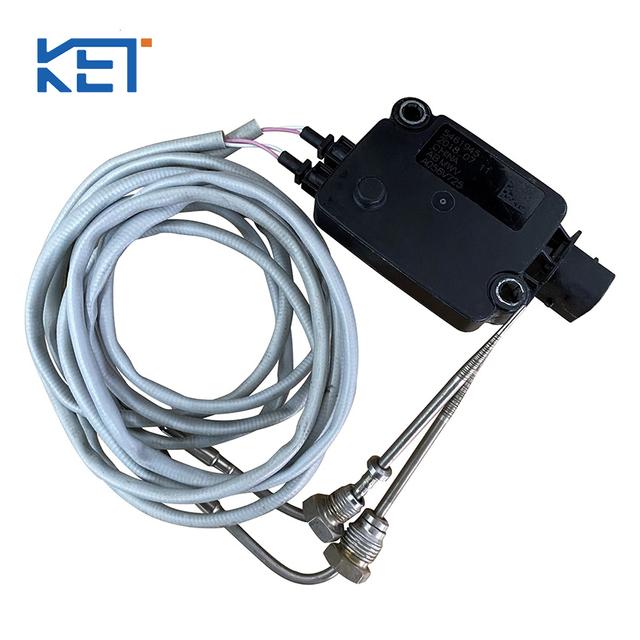
Several factors contribute to the failure of an automotive exhaust temperature sensor:
● Wear and tear: Continuous exposure to high temperatures, vibrations, and exhaust gases can degrade the sensor over time.
● Electrical issues: Damaged or corroded wiring can interfere with the sensor’s ability to transmit accurate data to the ECU.
● Physical damage: During repairs or general engine maintenance, the sensor may be physically damaged, causing it to malfunction.
Environmental factors, such as contaminants in the exhaust system, can also contribute to sensor failure. Buildup from combustion byproducts, such as carbon deposits or soot, can impair the sensor's functionality. Additionally, exposure to extreme temperature fluctuations or improper installation can accelerate sensor degradation.
Replacing a faulty automotive exhaust temperature sensor is a straightforward process:
1. Locate the sensor: The sensor is typically located along the exhaust pipe near the engine.
2. Disconnect the sensor: Unplug the sensor’s wiring harness and remove the faulty sensor using a wrench.
3. Install the new sensor: Place the new sensor into the exhaust system and connect the wiring properly to ensure it transmits accurate data to the ECU.
To extend the life of your exhaust temperature sensor, consider these maintenance tips:
● Regularly clean the exhaust system: Prevent contaminants and soot buildup, which can damage the sensor.
● Inspect wiring and connections: Look for any signs of wear or corrosion and ensure the connections are secure.
● Monitor sensor performance: Use diagnostic tools regularly to check the sensor’s functionality and ensure it remains accurate.
A faulty automotive exhaust temperature sensor can cause significant issues, such as increased fuel consumption, engine hesitation, and poor emissions control. By recognizing the symptoms of a malfunctioning sensor early, you can prevent costly repairs and ensure the continued optimal performance of your vehicle. Regular maintenance and timely sensor replacement are essential for keeping your engine running smoothly and efficiently. The automotive exhaust gas temperature sensor is a critical part of the engine’s temperature management system. Replacing a faulty sensor can save you from expensive repairs and restore your vehicle’s performance and fuel efficiency.
Zhejiang Kreation Electronic Technology Co., Ltd. offers high-quality automotive exhaust temperature sensors, designed for durability and accuracy, ensuring optimal engine performance and fuel efficiency.
A: An automotive exhaust gas temperature sensor monitors the temperature of exhaust gases to optimize engine performance and prevent overheating.
A: Symptoms of a faulty automotive exhaust gas temperature sensor include rough idling, engine hesitation, and increased fuel consumption.
A: A bad automotive exhaust gas temperature sensor can send incorrect signals to the ECU, affecting fuel injection timing and causing startup problems.
A: Yes, incorrect temperature readings from a bad sensor can cause the ECU to inject more fuel, leading to higher fuel consumption.
A: Using an OBD-II scanner to check for error codes and inspecting the sensor for damage are the first steps in diagnosing a faulty sensor.
A: Common causes include wear and tear, electrical issues, and exposure to high temperatures, which can degrade the sensor over time.


