close
Choose Your Site
Global
Social Media
Views: 0 Author: Site Editor Publish Time: 2026-05-11 Origin: Site
For fleet managers, procurement officers, and master technicians, failing emissions sensors create immediate operational crises. These failures trigger compliance violations, force engines into severe derating modes, and result in costly vehicle downtime. Today, modern commercial engines must meet extremely strict environmental standards like Euro 6 and EPA 2027. However, diesel and gasoline platforms feature distinct combustion profiles. This fundamental difference changes how engineers design and fleets deploy their exhaust monitoring systems. You cannot approach these platforms with a single diagnostic mindset or a universal parts catalog. This article breaks down the technical and operational differences between diesel and gasoline exhaust monitoring. We will explore procurement strategies, diagnostic pitfalls, and operational nuances. By understanding these distinct architectures, you can make informed purchasing decisions. You will learn to reduce repetitive maintenance loops and optimize fleet performance without unnecessary spending. Mastering these nuances ensures your vehicles remain profitable and legally compliant across all jurisdictions.
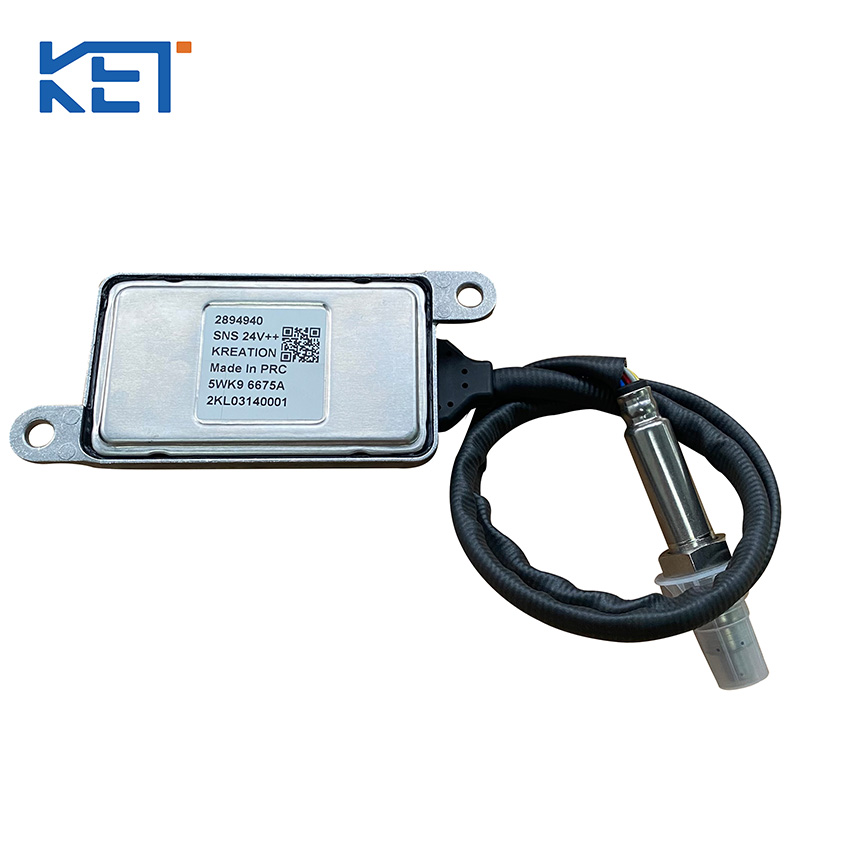
Diesel engines operate in a lean (oxygen-rich) environment, making them heavily reliant on dual-NOx sensor configurations integrated with Selective Catalytic Reduction (SCR) systems.
Gasoline engines primarily utilize Three-Way Catalytic Converters and Oxygen (Lambda) sensors, typically restricting actual NOx sensors to specific lean-burn or direct-injection models.
Diesel NOx sensors face harsher operating environments (soot, DEF crystallization, high thermal cycling), requiring distinct evaluation criteria around probe durability and heater element reliability.
Replacing a NOx sensor based purely on upfront unit cost often increases long-term expenses due to calibration mismatches and premature failure; evaluating OEM-equivalent communication protocols is critical.
Regulatory compliance remains non-negotiable for modern fleets operating under tight environmental scrutiny. Emissions monitors act as strict gatekeepers of overall engine performance. When a control module receives an inaccurate reading, it initiates a strict compliance protocol immediately. This regulatory mechanism often leads to forced engine derating. Fleet operators commonly know this severe restriction as "limp mode." A derated vehicle limits engine power, often restricting road speed to five miles per hour. It disrupts supply chains and infuriates waiting customers. You lose measurable revenue for every single hour the commercial truck remains parked in a repair bay.
The financial cost of misdiagnosis runs exceptionally high in busy maintenance shops. Many technicians blindly replace sensors whenever specific fault codes appear on their diagnostic screens. They frequently fail to understand the specific exhaust profiles of the engines they service. Swapping parts without investigating upstream issues creates endless, expensive repair loops. For example, a faulty Exhaust Gas Recirculation (EGR) valve or a leaking fuel injector will quickly poison a brand-new sensor. We see this diagnostic mistake repeatedly. It drains maintenance budgets rapidly and erodes operational confidence.
A successful procurement strategy requires clearly defined success criteria. You must prioritize component longevity over the lowest initial purchase price. Accurate Electronic Control Unit (ECU) communication serves as a mandatory baseline requirement. Minimal warranty claim rates indicate a highly reliable manufacturing process. When you evaluate parts suppliers, look deeply beyond the initial sticker price. Focus intently on how the component actually performs under harsh, real-world highway conditions. High-quality emission parts keep your vehicles moving steadily and protect your long-term profitability.
Gasoline and diesel platforms handle the physics of combustion very differently. This fundamental divide creates entirely distinct operating environments for exhaust gas monitors.
In standard gasoline engines, dedicated nitrogen oxide monitors remain less ubiquitous. Gasoline platforms generally manage their harmful emissions internally through highly controlled fuel mapping. They use precise stoichiometric air-fuel ratios to maintain combustion equilibrium. Standard Three-Way Catalytic Converters (TWC) handle the bulk of the required chemical conversion. Traditional oxygen (Lambda) sensors usually provide enough data to keep the engine compliant.
However, specific technical exceptions exist in the modern automotive landscape. Lean-burn gasoline engines and Gasoline Direct Injection (GDI) models behave differently. They require dedicated NOx Sensors to actively monitor specialized nitrogen oxide storage catalysts. These unique probes face significantly less particulate matter compared to heavy commercial vehicles. Lower soot levels generally lead to a much longer baseline lifespan for the internal ceramic element. Their operating environment remains relatively clean, resulting in fewer physical blockages.
Diesel engines run inherently lean by design. They consume excess oxygen during the combustion stroke to maximize torque and fuel efficiency. This oxygen-rich environment produces exceptionally high baseline nitrogen oxide levels. Therefore, specialized active monitoring becomes critical and legally mandatory. Modern diesel vehicles rely heavily on advanced Selective Catalytic Reduction (SCR) systems to neutralize these pollutants.
These commercial platforms typically utilize a robust two-sensor configuration. An upstream probe measures engine-out emissions before treatment. A downstream tailpipe probe checks the final output escaping into the atmosphere. They work in tandem constantly. They measure exactly how effectively the system doses Diesel Exhaust Fluid (DEF) into the exhaust stream.
These heavy-duty NOx Sensors must survive extreme operational harshness. They face constant, relentless exposure to raw diesel particulate matter. They endure high sulfur content and corrosive urea-water chemical solutions. This brutal environment drastically reduces their expected operational lifespan if they lack premium manufacturing quality.
Operating Metric | Gasoline Engines (Standard / GDI) | Diesel Engines (SCR Equipped) |
|---|---|---|
Combustion Profile | Stoichiometric (Balanced) / Mildly Lean | Highly Lean (Excess Oxygen) |
Sensor Configuration | Single dedicated sensor (mostly GDI only) | Dual system (Upstream & Downstream) |
Particulate Exposure | Low (Minimal soot accumulation) | Extreme (Heavy soot and carbon build-up) |
Chemical Contaminants | Trace oil ash, standard carbon | DEF (Urea) crystallization, Sulfur compounds |
Primary Catalyst Strategy | Three-Way Catalytic Converter (TWC) | Selective Catalytic Reduction (SCR) + DPF |
When purchasing replacement emissions components, you must carefully evaluate specific technical dimensions to avoid costly fleet disruptions.
Evaluate the component's internal ceramic element design thoroughly. Diesel applications absolutely require robust, multi-layered protective tubes. These metal shields actively mitigate soot poisoning over thousands of highway miles. They also prevent sudden thermal shock caused by unevaporated DEF droplets hitting the hot ceramic. A weak protective shield guarantees premature probe failure. Look for advanced yttria-stabilized zirconia designs. They resist aggressive chemical degradation much better than cheaper commercial alternatives.
Accurate parts-per-million (PPM) readings remain vital for fleet health. Precise data prevents the engine from triggering false DPF active regenerations. It also stops unwarranted engine derating protocols. Assess how well the specific probe integrates with its attached Sensor Control Unit (SCU). The internal microprocessor must communicate flawlessly via standard SAE J1939 CAN bus protocols. You should never need aftermarket re-flashing to make a part work. Seamless, plug-and-play functionality serves as a non-negotiable procurement requirement.
Both engine types require extremely high temperatures to measure gases accurately. The internal sensing element must reach approximately 800°C to activate its ion-pumping mechanism. Evaluate the internal heater's true resistance to thermal cracking. In heavy diesel systems, acidic moisture accumulates easily inside exhaust pipes during cold weather starts. A brittle heater will shatter when energized too quickly. High-grade platinum heaters consistently offer the best operational longevity in these damp environments.
You must transparently weigh the technical risks of your supply choices. Tier 1 aftermarket components often provide substantial financial savings without sacrificing quality. However, cheap "white-label" alternatives frequently fail right out of the box. They rarely match the strict factory voltage curves expected by the engine computer. This voltage mismatch leads to immediate check-engine lights and failed emissions tests. We highly recommend strictly avoiding unbranded electrical components entirely.
Installing these sensitive micro-analytical tools involves significant technical risk if your technicians proceed improperly.
Technicians must clearly understand and verify the ECU's programmed "dew point" heating strategy. Cold exhaust systems naturally generate water condensation immediately upon engine startup. The vehicle's computer intentionally delays heating the ceramic probe until this internal moisture fully evaporates. If an aftermarket part overrides this delay and turns the heater on too early, cold water droplets will strike the 800°C element. The ceramic shatters instantly. Software calibration updates often address these crucial timing delays. Always check for the latest factory software flashes before replacing hardware.
A failed electronic component generally acts as a symptom. It rarely represents the original mechanical disease. We heavily advise technicians to remain skeptical during diagnostics. Inspect the chemical DEF dosers first to ensure they spray correctly. Check overall DPF health and thoroughly clean the EGR system. A stuck EGR valve rapidly floods the exhaust stream with raw, unburned soot. This heavy carbon load physically blinds a brand-new sensor within hours. Fix the upstream mechanical problem before you authorize an expensive electronic replacement.
Physical installation carries unique risks that can void warranties instantly. We recommend strictly following these established protocols:
Route the sensitive wiring harness far away from extreme DPF heat sources to prevent melting.
Never apply anti-seize lubricating compounds to the sensor tip; the chemicals poison the reading element.
Keep shop solvents and chemical cleaning sprays completely away from the connector pins.
Ensure you apply exact factory torque specifications to prevent undetected exhaust gas leaks.
An overtightened mounting thread physically distorts the metal housing. Conversely, a loose fit allows fresh outside air to seep in and artificially skew the nitrogen readings. Both installation errors cause immediate, frustrating system faults.
Building a highly reliable replacement parts supply chain requires analytical thinking and strict vendor qualification.
Create a logical framework for evaluating your overall operational expenses. Do not just look at the lowest initial purchase price on a vendor website. Factor in the hard costs of unexpected vehicle downtime. Calculate the specific labor hours your shop requires for repetitive re-installation. Include the wasted diagnostic time spent chasing false CAN bus codes. A cheap aftermarket part becomes incredibly expensive when it fails twice in a single month.
Look for commercial suppliers that gladly provide comprehensive engineering data. They should offer full CAN bus compatibility documentation upon request. Demand highly transparent warranty terms and clear return policies. Ask your vendor for factory batch-testing documentation. Reliable, authoritative manufacturers test their NOx Sensors under heavily simulated exhaust gas conditions before shipping. They rely on empirical data, not guesswork.
Mixed-vehicle fleets pose uniquely difficult purchasing challenges for procurement officers. Assess the financial viability of sourcing components from a single, trusted Tier-1 emission control manufacturer. This strategy drastically streamlines your daily procurement process. It significantly simplifies managing complex warranty claims. Standardizing your components reduces daily technician confusion. It ultimately builds highly predictable maintenance intervals across different truck brands.
To improve your fleet's emissions compliance immediately, execute these targeted steps:
Audit your recurring emissions-related fault codes across all active vehicles.
Review your specific component failure rates over the previous twelve months.
Consult with specialized parts engineers to discuss your exact fleet operating profile.
Establish a strict, documented baseline standard for all future electrical purchases.
Gasoline and diesel exhaust monitors simply do not function interchangeably. Their internal engineering differs vastly due to incredibly distinct exhaust environments and differing regulatory demands. Diesel units face brutal chemical stress, high soot loads, and intense thermal cycling daily. Gasoline units operate in a much cleaner, highly controlled stoichiometric space. Treating these precision instruments as basic, swappable commodities remains a deeply flawed maintenance strategy.
These devices operate as highly sensitive micro-analytical tools. Your total fleet uptime depends heavily on their consistent signal accuracy. Evaluate your current emissions parts supply chain today to identify weak links. Stop accepting high failure rates as a normal, unavoidable expense of operating commercial trucks. Contact your technical sales team for strict, application-specific sensor cross-referencing. Taking these precise steps ensures your vehicles stay mechanically efficient, legally compliant, and safely on the road.
A: Diesel operating environments present exceptional harshness. The ceramic probes face constant, daily exposure to heavy soot accumulation and unburned hydrocarbons. They also endure DEF (urea) crystallization and aggressive thermal cycling inherent to active SCR systems. This extreme chemical and physical stress naturally degrades the internal sensing elements much faster than the relatively clean exhaust found in standard gasoline applications.
A: Yes, it heavily impacts overall fuel economy. When the component sends incorrectly high nitrogen readings to the engine computer, the ECU assumes the emissions system is failing. It responds by triggering unnecessary and frequent DPF active regenerations. These forced regenerations inject raw diesel fuel directly into the exhaust stream to create heat, wasting substantial amounts of usable fuel.
A: We strongly advise against universal options for commercial use. While universal probes exist, the attached Sensor Control Unit (SCU) requires exact software calibration. It must match the specific engine family perfectly to prevent CAN bus communication errors. Universal modules frequently output incorrect voltage curves, leading to false warning lights and potential compliance violations.
A: Limp mode is a strict regulatory compliance mechanism built into modern commercial engine software. If the ECU detects nitrogen emissions exceeding legal thresholds—often due to a failed or poisoned sensor—it intervenes defensively. The computer severely limits engine power, torque, and vehicle speed to prevent further environmental damage. The truck remains restricted until technicians clear the underlying fault.