
close
Choose Your Site
Global
Social Media
Views: 0 Author: Site Editor Publish Time: 2025-11-07 Origin: Site
If you drive a modern diesel or petrol vehicle, you’ve likely heard of NOx sensors, the crucial components responsible for monitoring nitrogen oxide emissions. These sensors are essential not only for maintaining engine performance but also for ensuring your vehicle meets strict environmental regulations such as Euro 6 or EPA NSPS standards.
But when a NOx sensor fails, many drivers immediately wonder: “Is a NOx sensor expensive to fix?” The answer isn’t straightforward. Costs depend on factors like sensor type, vehicle model, labor, and whether professional diagnostics are needed for integration with systems like SCR (Selective Catalytic Reduction) or DPF (Diesel Particulate Filter).
In this article, we will explore everything you need to know about NOx sensor repair and replacement, including typical costs, why they are expensive, maintenance tips, and strategies to reduce repair expenses. By the end, you’ll have a clear understanding of how to manage NOx sensor issues effectively and economically.
A NOx sensor (nitrogen oxides sensor) is designed to detect the levels of NO and NO₂ gases emitted from the engine exhaust. These gases are harmful pollutants that contribute to:
Air pollution and smog formation
Acid rain
Respiratory and cardiovascular issues in humans
The sensor communicates with the engine control unit (ECU) or SCR system to adjust fuel injection, exhaust treatment, and the operation of diesel exhaust fluid (DEF) injection, ensuring emissions remain within legal limits such as Euro 6 or EPA NSPS standards. Without a working NOx sensor, vehicles may fail emissions tests and risk long-term damage to emission systems.
Diesel engines: Trucks, buses, generators, and industrial engines rely heavily on NOx sensors for emissions compliance.
Petrol engines: Although petrol engines produce less NOx, modern systems still use sensors for catalytic converter efficiency and emission control.
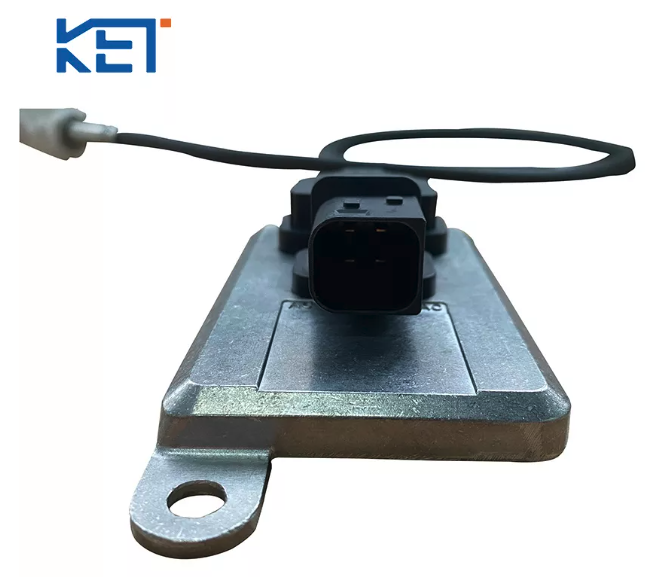
Replacement costs vary widely depending on the type of engine, sensor technology, and vehicle model:
Passenger cars: $300–$700
Diesel trucks: $400–$1,000
Industrial or marine engines: $1,000–$2,500+
Labor: Typically 1–2 hours for passenger vehicles; more for industrial engines due to complexity.
Parts: OEM sensors cost more than aftermarket options but provide better reliability, longevity, and emission compliance.
Diesel engines generate higher NOx levels, often requiring dual-heater or high-sensitivity NOx sensors, which increases replacement costs. Petrol engines generally have simpler sensors, making repairs slightly cheaper.
Modern NOx sensors are highly sophisticated precision components engineered to accurately measure nitrogen oxide levels in exhaust gases at parts-per-million (ppm) concentrations. These sensors typically include ceramic sensing elements, which provide stability and durability under extreme temperatures. Additionally, many sensors feature dual heaters that allow them to operate efficiently under varying engine loads and exhaust conditions. The use of platinum or rhodium electrodes ensures high sensitivity and fast response times, which are critical for real-time emissions monitoring and for compliance with stringent environmental standards like Euro 6 or EPA Tier 3. Because of these advanced materials and engineering requirements, the manufacturing cost of NOx sensors is inherently high, which contributes significantly to the overall expense of repair or replacement.
NOx sensors are installed directly in the exhaust stream, where they are exposed to some of the harshest conditions in a vehicle. Exhaust temperatures can exceed 600°C during normal operation, and the gases themselves often contain corrosive compounds such as sulfur oxides (SOx) and chlorine-based contaminants. Over time, these factors can degrade the sensor housing and internal components. Additionally, engines generate constant vibration and thermal cycling, especially in heavy-duty diesel applications, which can stress the sensor’s delicate ceramic elements and electrodes. These challenging operating conditions mean that sensors are prone to wear and failure, which increases both the frequency of replacement and the cost associated with maintaining accurate NOx monitoring.
Replacing a NOx sensor is rarely a simple plug-and-play task because these sensors are deeply integrated into a vehicle’s emission control system. They work in tandem with Selective Catalytic Reduction (SCR) systems, Diesel Particulate Filters (DPFs), and the Engine Control Unit (ECU) to optimize emissions performance. Installing a new sensor often requires recalibration to ensure it communicates correctly with the SCR and ECU. Without proper integration, the sensor readings may be inaccurate, potentially causing the engine to operate inefficiently, trigger warning lights, or fail emissions tests. This integration requirement adds time and complexity to the repair process, which increases labor costs and overall repair expenses.
Even when a NOx sensor is physically replaced, professional diagnostics and programming are usually necessary to ensure the replacement sensor functions correctly within the system. Modern engines rely on advanced software to manage emissions, and a new sensor must be recognized and calibrated by the ECU and SCR system. This often involves the use of specialized OBD-II diagnostic tools for passenger vehicles, or more complex SCADA system interfaces for industrial engines, generators, or marine applications. The need for precise programming and testing adds another layer of labor and service costs, making the repair or replacement of NOx sensors significantly more expensive than simpler engine components.
Light soot contamination can sometimes be cleaned safely
Connector corrosion or damaged wiring may be repaired without full sensor replacement
Internal heater failure
Sensor element burnout or cracks in the housing
Prolonged exposure to high temperatures or chemical corrosion
DIY cleaning may save money but risks sensor damage or incorrect calibration
Professional replacement ensures proper sensor integration and emissions compliance
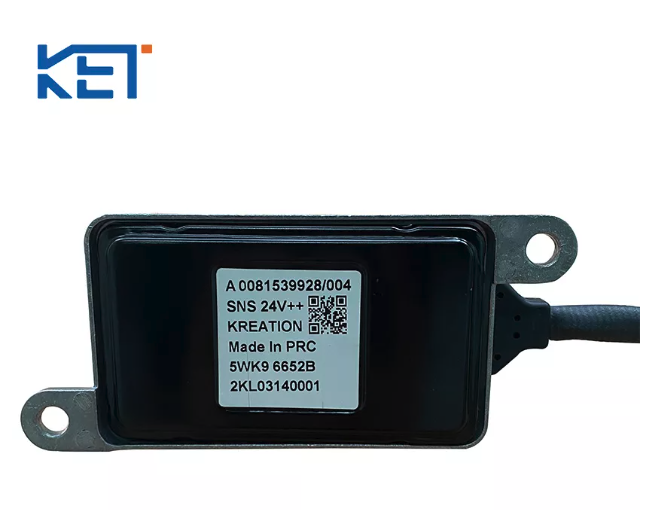
Preventive maintenance is one of the most effective ways to reduce NOx sensor repair costs and extend its lifespan. Regularly maintaining the Selective Catalytic Reduction (SCR) system and other exhaust components ensures that sensors operate in optimal conditions. This includes cleaning or inspecting the SCR catalyst, DPF (Diesel Particulate Filter), and exhaust pipes for soot or deposits that could interfere with sensor readings. Using high-quality fuel and Diesel Exhaust Fluid (DEF) is equally important, as poor-quality fuel or contaminated DEF can cause premature sensor degradation or coating buildup on the sensor surface. Additionally, avoiding excessive idling and rapid temperature changes, particularly in diesel engines, helps minimize thermal stress on the sensor’s delicate ceramic and electrode elements. By following a routine maintenance schedule and keeping the exhaust system clean, vehicle owners can prevent many common causes of NOx sensor failure and save significantly on replacement costs over time.
When it comes to replacing a NOx sensor, vehicle owners often face a choice between OEM (Original Equipment Manufacturer) sensors and aftermarket alternatives. OEM sensors are designed specifically for the make and model of the vehicle, ensuring accurate NOx readings, proper integration with the ECU and SCR system, and guaranteed emission compliance. While these sensors are generally more expensive upfront, they tend to have a longer lifespan and lower risk of failure, making them a cost-effective choice in the long run. On the other hand, aftermarket sensors are typically cheaper and more widely available, but they may require additional calibration, have slightly less precision, or fail sooner than OEM units. When choosing an aftermarket sensor, it is critical to ensure it meets regulatory standards and is compatible with the vehicle’s emission control system to avoid unnecessary repair or replacement expenses.
Another way to minimize NOx sensor repair costs is by understanding your vehicle’s warranty and extended service coverage. Many modern vehicles include emission system components, such as NOx sensors, under the manufacturer’s warranty for a specified period or mileage. This coverage can significantly reduce or even eliminate out-of-pocket repair costs. Extended service plans may also cover NOx sensor replacement, particularly for high-mileage vehicles or industrial engines that experience heavy-duty use. Vehicle owners should always check the terms and conditions of their warranty or service plan to confirm whether the NOx sensor is included and understand any requirements for professional installation or authorized service centers. Leveraging warranty coverage is a practical and cost-effective strategy to manage NOx sensor expenses without compromising compliance or vehicle performance.
A: Every 60,000–100,000 miles for vehicles; 20,000+ hours for industrial engines. Lifespan depends on load, fuel quality, and maintenance.
A: Driving is possible but not recommended. It can trigger limp mode, reduce fuel efficiency, and lead to SCR/DPF damage.
A: They are cheaper but may require recalibration and may have shorter lifespans. OEM sensors are preferred for compliance and reliability.
A: Exposure to soot, high temperatures, corrosion, and vibration causes wear and failure over time.
A: Only for minor soot or contamination. Internal element or heater damage requires replacement.
A faulty NOx sensor can lead to poor fuel efficiency, reduced engine performance, and costly emissions system damage. While repair and replacement costs can be significant, understanding why NOx sensors are expensive, recognizing symptoms early, and following preventive maintenance strategies can help minimize expenses.
For vehicle owners and industrial operators seeking reliable, high-performance NOx sensors, Zhejiang Kreation Electronic Technology Co., Ltd. offers a range of advanced sensors engineered for precision, durability, and seamless integration with SCR and exhaust systems. With years of experience in designing industrial and automotive emission control solutions, Kreation ensures your engines stay compliant, efficient, and environmentally friendly, helping you avoid costly repairs while maintaining optimal performance.


