
close
Choose Your Site
Global
Social Media
Views: 0 Author: Site Editor Publish Time: 2025-11-14 Origin: Site
Modern diesel and petrol engines rely on advanced emission control systems to meet strict environmental regulations. At the heart of these systems lies the NOx sensor—a small but powerful device responsible for monitoring harmful nitrogen oxide emissions.
When this sensor fails, the effects can ripple throughout your vehicle: from poor fuel efficiency and engine power loss to increased exhaust emissions and failed MOT inspections.
In this article, we’ll explore the most common bad NOx sensor symptoms, what they mean for your engine, and how to prevent expensive damage before it’s too late. Whether you’re a driver, mechanic, or fleet operator, understanding these signs can save you time, fuel, and costly repairs.
A NOx sensor measures the concentration of nitrogen oxides (NO and NO₂) in the exhaust gas. It provides this data to the Engine Control Unit (ECU), which adjusts the fuel mixture, EGR (Exhaust Gas Recirculation), and SCR (Selective Catalytic Reduction) system operation to keep emissions under control.
A properly functioning NOx sensor is essential because:
It ensures efficient combustion and fuel economy.
It maintains compliance with emission standards such as Euro 6 and EPA regulations.
It protects SCR components like the catalytic converter and AdBlue injection system.
When this sensor fails, the vehicle’s emission control logic becomes inaccurate, leading to more than just higher pollution—it affects engine health, performance, and fuel costs.
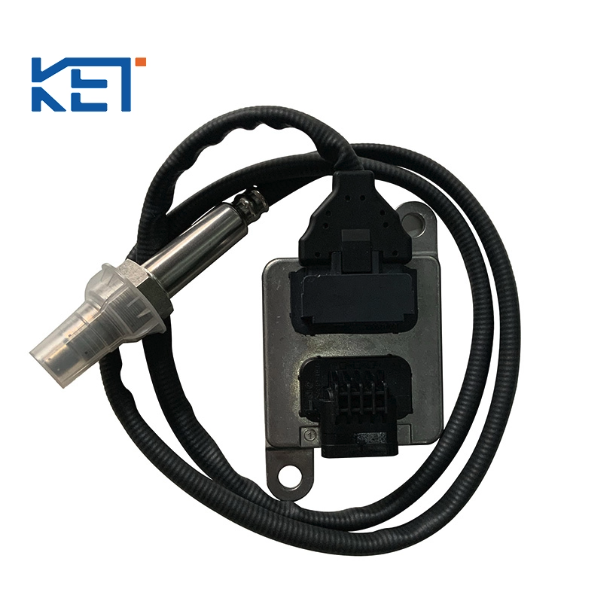
Recognizing early NOx sensor failure symptoms is crucial to preventing expensive repairs and keeping your vehicle in top condition. A malfunctioning NOx sensor doesn’t just affect emissions—it can cause serious drivability issues and even damage other engine components. Below are the most common signs of a bad NOx sensor, along with what they actually mean for your vehicle.
One of the first and most obvious symptoms of a failing NOx sensor is the Check Engine Light illuminating on your dashboard. When the sensor detects abnormal readings—or stops sending data entirely—the ECU logs a diagnostic trouble code (DTC) such as P2202, P229F, or P229E. These codes typically relate to sensor circuit malfunctions, low voltage readings, or performance issues.
If the warning light appears repeatedly after being reset, it’s a strong indicator that the NOx sensor or its wiring needs attention rather than just clearing the fault.
A bad NOx sensor sends inaccurate data to the Engine Control Unit (ECU), which in turn adjusts the air-fuel mixture incorrectly. This imbalance often causes the engine to inject more fuel than necessary to compensate for what it believes is a lean condition.
As a result, you’ll notice increased fuel consumption, fewer miles per gallon (MPG), and possibly a stronger fuel smell from the exhaust. Over time, this wastes fuel and increases overall running costs—especially for high-mileage diesel vehicles and fleet operators.
When the NOx sensor provides faulty readings, the ECU enters a default or “safe” mode to protect the engine and emission system. In this state, fuel and air delivery are restricted, leading to noticeable power loss, sluggish acceleration, and poor throttle response.
Drivers may also experience rough idling, engine hesitation, or difficulty maintaining highway speeds, particularly under load or during towing. These performance drops can worsen over time as the ECU continues to misinterpret exhaust gas data.
A malfunctioning NOx sensor disrupts the Selective Catalytic Reduction (SCR) process, preventing the system from properly injecting AdBlue (DEF) to neutralize nitrogen oxides.
Without accurate feedback from the sensor, the SCR unit may under-dose or over-dose urea solution, resulting in visible white smoke, strong exhaust odor, or a failed MOT/emission test. Prolonged operation in this condition can damage the catalytic converter or diesel particulate filter (DPF).
If the ECU detects persistent NOx sensor errors, it may trigger limp mode—a safety feature designed to limit the vehicle’s power and prevent further damage.
In limp mode, your maximum speed and acceleration are drastically reduced, sometimes restricting you to 40–60 km/h (25–40 mph). This mode ensures emissions remain controlled but can make the vehicle difficult or even unsafe to drive on highways. A professional diagnostic scan is required to identify whether the NOx sensor is the root cause.
Faulty NOx data affects combustion timing and exhaust gas recirculation (EGR) efficiency. As a result, the engine may run inconsistently at idle or jerk during acceleration, especially when the ECU struggles to stabilize air-fuel ratios.
This symptom often occurs intermittently at first—only under specific loads or temperatures—but gradually becomes more frequent as the sensor deteriorates. If ignored, it can lead to misfires and increased wear on other emission-related components.
| Symptom | Description | Possible Effect |
|---|---|---|
| Check Engine Light (CEL) | Fault codes such as P2202, P229F, or P229E appear when the ECU detects abnormal NOx readings or sensor malfunction. | Warning light stays on; vehicle enters safety mode if ignored. |
| Reduced Fuel Efficiency | Incorrect sensor data causes the ECU to enrich the air-fuel mixture, leading to higher fuel consumption and lower MPG. | Increased fuel costs and higher CO₂ emissions. |
| Poor Engine Performance | The ECU switches to a “safe mode,” reducing throttle response and power output due to unreliable NOx readings. | Loss of acceleration and reduced overall engine performance. |
| Increased Emissions | Faulty NOx sensor disrupts the SCR system, preventing correct AdBlue dosing and increasing harmful exhaust gases. | Visible exhaust smoke and failed MOT/emission tests. |
| Vehicle in Limp Mode | ECU limits power to protect emission components when it detects continuous NOx sensor errors. | Restricted speed (approx. 25–40 mph) and unsafe highway driving. |
| Rough Idle or Jerky Acceleration | Incorrect NOx data affects combustion timing and EGR performance, causing unstable engine operation. | Engine shakes, uneven idling, or misfires during acceleration. |
Ignoring a failing NOx sensor might seem harmless at first, but over time it can lead to a chain reaction of performance and emissions problems that become increasingly expensive to fix. The NOx sensor plays a vital role in controlling how much urea (AdBlue) is injected into the exhaust stream for proper nitrogen oxide reduction. When it stops working correctly, the entire emission control system begins to suffer.
Here’s what can happen if you continue driving with a bad NOx sensor:
Increased fuel consumption and CO₂ output – Faulty sensor readings cause the ECU to enrich the air-fuel mixture, leading to excessive fuel burn and higher greenhouse gas emissions.
Damage to the catalytic converter or SCR system – Without accurate NOx feedback, the SCR system may inject too much or too little AdBlue, causing crystal buildup, overheating, or chemical corrosion inside the converter.
Failed MOT or emissions inspections – Your vehicle will no longer meet legal emission standards, often resulting in a failed MOT or inspection test. Replacing the NOx sensor and cleaning the SCR system are usually required to pass again.
Reduced engine performance and long-term wear – Incorrect combustion timing and exhaust temperatures increase stress on pistons, valves, and injectors, shortening the lifespan of the engine.
Higher overall repair costs – What starts as a simple sensor issue can quickly escalate into a need for DPF cleaning, SCR repair, or even ECU recalibration if ignored too long.
Driving for extended periods with a bad NOx sensor doesn’t just harm the environment—it also affects your vehicle’s reliability, economy, and resale value. Addressing the issue early is always more cost-effective than repairing the damage it causes later.
While every NOx sensor will eventually wear out due to heat and exhaust exposure, you can significantly extend its lifespan through good maintenance habits and proper vehicle care. Preventive action is always cheaper than replacement.
Here are some effective ways to prevent NOx sensor failure:
Avoid frequent short trips – Short drives don’t allow the engine and exhaust system to reach full operating temperature, causing condensation and moisture buildup that can damage the sensor. Aim for longer drives that let the SCR system regenerate properly.
Use high-quality diesel and AdBlue (DEF) – Low-grade fuel and contaminated AdBlue often contain impurities that lead to soot accumulation and AdBlue crystallisation. Using certified products keeps your emissions system cleaner for longer.
Perform regular maintenance – Schedule periodic cleaning or replacement of EGR valves, DPF filters, and injectors. These components directly affect the exhaust composition and can accelerate NOx sensor contamination when dirty.
Inspect wiring and connectors – Corroded or damaged electrical connections can cause signal loss, mimicking sensor failure. Make it part of your regular inspection routine.
Use additives like Forté Exhaust Crystal Preventer – This specialized additive prevents urea crystal formation in the SCR system by dissolving existing deposits and maintaining smooth AdBlue flow. Regular use protects NOx sensors and extends their lifespan.
Routine exhaust care ensures your NOx sensors continue to deliver accurate data for emission control and fuel efficiency. By combining proper maintenance with preventive additives like Forté Exhaust Crystal Preventer, you can avoid costly replacements and keep your vehicle performing cleanly and efficiently for years to come.
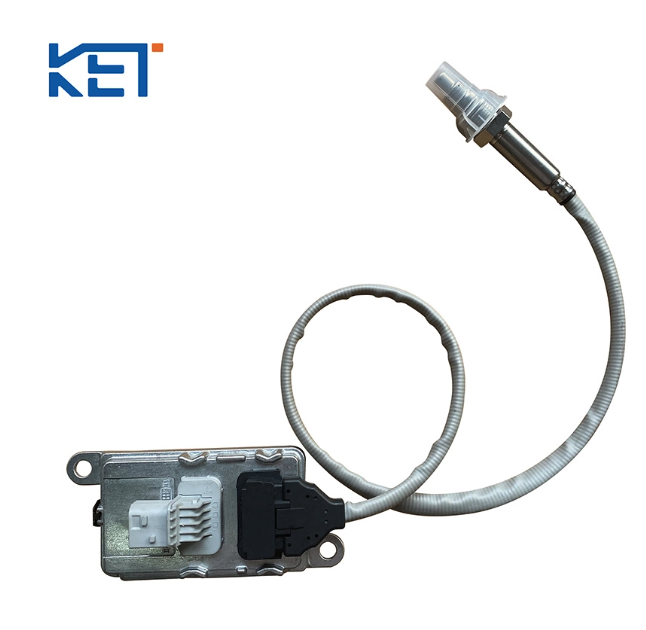
When a NOx sensor fails, it sends incorrect data to the ECU, leading to poor fuel efficiency, increased emissions, reduced power, and possible activation of limp mode to protect the engine.
Yes, but it’s not recommended. Driving for long periods with a faulty NOx sensor can cause damage to the SCR and catalytic converter, increase fuel costs, and eventually lead to failed emission tests.
Common signs include a Check Engine Light, poor acceleration, rough idle, higher fuel consumption, and diagnostic trouble codes (like P2202 or P229F) when scanned with an OBD2 tool.
Yes. When the ECU detects persistent NOx sensor faults, it can trigger limp mode to restrict power and reduce emissions until the issue is fixed.
A faulty NOx sensor might seem like a minor issue, but its impact on engine performance, fuel economy, and emission compliance is significant. Ignoring early warning signs can lead to expensive SCR or catalytic converter repairs and increased environmental harm.
If you’re looking for high-performance and reliable NOx sensors, look no further than Zhejiang Kreation Electronic Technology Co., Ltd. — a trusted manufacturer specializing in automotive emission sensors.


