
close
Choose Your Site
Global
Social Media
Views: 0 Author: Site Editor Publish Time: 2025-11-07 Origin: Site
Modern vehicles are equipped with increasingly sophisticated emission control systems, designed to keep our air clean and ensure compliance with strict environmental regulations. At the heart of these systems lies the NOx sensor, a critical component that monitors nitrogen oxide emissions from your engine. While these sensors are essential for maintaining vehicle performance and meeting legal standards, they are also subject to wear and tear over time. Understanding what is the lifespan of a NOx sensor, the factors that affect it, and how to properly maintain it can save you from unexpected repairs and ensure your vehicle runs efficiently for years to come.
A NOx sensor measures the levels of nitrogen oxides (NOx) in your vehicle’s exhaust. These sensors are a vital part of modern emissions control systems, particularly in diesel vehicles equipped with urea-based SCR (Selective Catalytic Reduction) systems.
By detecting nitrogen oxide emissions, the sensor allows the vehicle’s engine control unit (ECU) to adjust fuel delivery and SCR system operation to minimize harmful pollutants, helping your vehicle stay compliant with strict environmental regulations.
Most modern vehicles have two types of NOx sensors:
Upstream Sensor: Installed near the turbocharger downpipe to measure NOx produced directly by the engine.
Downstream Sensor: Placed after the SCR catalyst to measure NOx levels after treatment.
Some vehicles may use multiple sensors depending on emission standards and manufacturer design. Typically, the downstream sensor is exposed to less heat but more chemical exposure, which can affect its lifespan differently from the upstream sensor.
The NOx sensor is part of a larger emission control system that may include:
Turbocharger: Increases engine efficiency but exposes sensors to high temperatures.
DPF (Diesel Particulate Filter): Captures soot and particulate matter.
SCR Catalyst: Reduces NOx by converting it into harmless nitrogen and water with the help of urea (DEF).
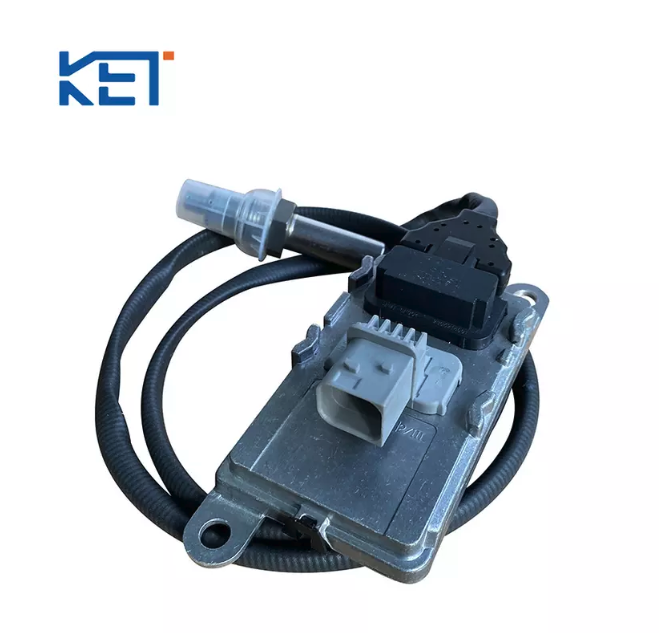
The lifespan of a NOx sensor is not a fixed number. While many sensors last several years, various factors can accelerate wear and reduce their effectiveness. Understanding these factors can help car owners take preventative measures, extend sensor life, and avoid costly repairs.
The environment your vehicle operates in has a major impact on NOx sensor longevity:
Extreme Temperatures: NOx sensors are exposed to high exhaust temperatures. Repeated exposure to excessive heat can degrade the internal probe and circuitry over time. Conversely, extremely cold conditions can also affect sensor responsiveness and durability.
Urban Stop-and-Go Traffic: Vehicles that spend most of their time in city traffic, with frequent acceleration and braking, place more stress on the NOx sensor. Short trips may prevent the exhaust system from reaching optimal operating temperatures, allowing soot and other contaminants to accumulate faster.
Highway Driving: Conversely, highway driving generally exposes sensors to steadier conditions, which can help maintain sensor performance longer. However, long-term exposure to high-speed, high-temperature exhaust can also eventually degrade the sensor if maintenance is neglected.
Climate and Humidity: Areas with high humidity or frequent rain can introduce moisture into the exhaust system, potentially causing corrosion in the sensor housing or wiring.
NOx sensors sit directly in the exhaust stream, making them highly vulnerable to contamination:
Soot Accumulation: Diesel engines produce soot, and if a DPF (Diesel Particulate Filter) is not functioning properly, excess soot can coat the sensor, reducing its ability to measure NOx accurately.
Fuel and Oil Quality: Using low-quality fuel or oil can introduce additives and residues that accelerate sensor wear. Contaminants like sulfur or metal particles can coat the sensor probe, affecting readings.
Exhaust Leaks or DEF Contamination: In vehicles with SCR systems, leaks in the urea/DEF injection system can lead to chemical residues depositing on the sensor, further reducing lifespan.
Even if the sensor itself is fine, electrical and mechanical issues can cause premature failure:
Cable Damage: The sensor’s wiring is exposed to heat, vibration, and movement in the engine bay. Over time, this can cause fraying, breaks, or short circuits.
Connector Corrosion: Moisture, road salt, or chemical exposure can corrode electrical connectors, causing intermittent or total sensor failure.
Internal Probe Failure: Sometimes the sensor housing looks intact, but the internal probe that measures NOx levels can fail due to repeated thermal cycling or chemical stress.
The design and quality of NOx sensors vary depending on the make, model, and type of engine:
OEM vs Aftermarket Sensors: Original Equipment Manufacturer (OEM) sensors are designed specifically for the engine and emission system, often offering better longevity and reliability. Aftermarket sensors may be more affordable but sometimes lack precise calibration or durability.
Engine Type and Performance: High-performance engines with higher combustion temperatures and exhaust output can shorten NOx sensor life compared to standard engines.
Emission Standards Compliance: Vehicles built to meet stricter emission standards, like Euro 6 or EPA Tier 3, may include more sensitive sensors or multiple units, which can increase the likelihood of wear if the system is stressed.
Maintenance History: Vehicles with neglected maintenance, such as overdue oil changes or clogged DPFs, are more likely to experience NOx sensor problems sooner.
| Factor | Details | Impact on NOx Sensor Lifespan |
|---|---|---|
| Environmental & Driving Conditions | Extreme heat or cold, urban stop-and-go traffic, highway driving, high humidity | High temperatures and repeated thermal cycling can degrade the sensor; short trips and city traffic increase soot buildup and stress |
| Soot & Contamination Build-Up | Soot accumulation from DPF issues, low-quality fuel/oil, DEF/urea contamination | Coats sensor probe, reducing measurement accuracy and accelerating wear |
| Electrical & Mechanical Factors | Damaged cables, frayed wires, connector corrosion, internal probe failure due to heat/vibration | Can cause intermittent or total sensor failure, even if the sensor body appears intact |
| Vehicle-Specific Considerations | OEM vs aftermarket sensors, engine type/performance, emission standards, maintenance history | OEM sensors and well-maintained vehicles usually last longer; high-performance engines or neglected maintenance shorten lifespan |
On average, NOx sensors last between 5–10 years or around 80,000–120,000 miles. Upstream sensors, exposed to higher temperatures and more direct exhaust gases, may fail sooner than downstream sensors.
Knowing the warning signs can help prevent further damage or failure:
Engine warning light on the dashboard.
Reduced fuel efficiency due to incorrect air-fuel mixture.
Jerking or unstable idle, especially during acceleration.
Activation of limp mode or emergency mode by the ECU.
A NOx sensor is a sensitive and critical component of your vehicle’s emissions system. Proper care and preventative measures can significantly extend its lifespan, maintain accurate readings, and help you avoid costly repairs.
Regular Servicing and Inspections: Schedule routine maintenance for your vehicle, including checks on the exhaust system, DPF, SCR system, and NOx sensors. Regular inspections can detect minor issues before they escalate into sensor damage.
Avoid Short Trips: Short drives that don’t allow the engine to reach its optimal operating temperature can cause soot buildup in the exhaust system, which may coat and damage the NOx sensor. Longer trips allow the engine and exhaust system to burn off contaminants.
Use High-Quality Fuel and Engine Oil: Low-quality fuel or oil can introduce impurities that accumulate on the sensor probe, reducing its efficiency and lifespan. Opt for manufacturer-recommended fuel and oils to ensure optimal sensor performance.
Maintain DEF/Urea Levels (for Diesel Vehicles): In diesel vehicles with SCR systems, keeping the DEF (Diesel Exhaust Fluid) or urea at recommended levels is critical. Running the system dry or with contaminated fluid can lead to chemical deposits on the sensor.
Clean Exhaust System Components When Necessary: Periodically inspect and clean parts like the DPF, SCR catalyst, and exhaust pipes. Removing excess soot and deposits helps prevent contamination of the NOx sensor.
Address Warning Lights Promptly: Engine warning lights or NOx-related fault codes are early indicators of sensor or exhaust system issues. Ignoring them can lead to permanent sensor damage or reduced vehicle efficiency.
Follow Manufacturer Recommendations: Each vehicle has specific guidelines for maintenance intervals, DEF usage, and sensor replacement. Following these recommendations ensures the NOx sensor operates under optimal conditions.
Avoid Excessive Idling: Long periods of idling can prevent proper exhaust system temperature, leading to condensation or soot buildup, which can shorten sensor life.
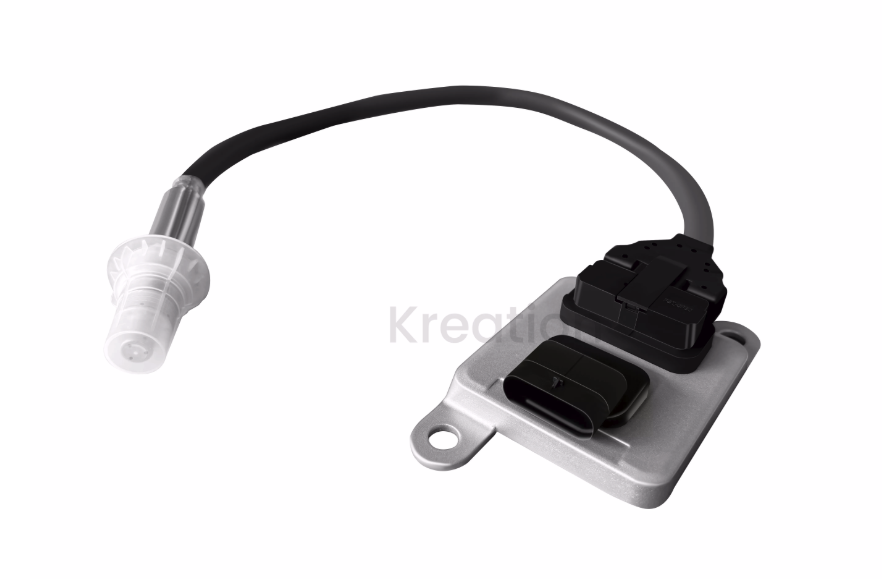
A NOx sensor is a device that measures the levels of nitrogen oxides (NOx) in a vehicle’s exhaust and helps the engine control unit (ECU) adjust fuel delivery and emissions, especially in diesel vehicles with urea-based SCR systems.
On average, a NOx sensor lasts between 5 and 10 years, or approximately 80,000 to 120,000 miles, with upstream sensors often failing sooner due to higher exposure to heat and exhaust gases.
NOx sensors can fail due to soot and contamination from the DPF or low-quality fuel and oil, extreme temperatures, electrical issues like damaged cables or corroded connectors, mechanical wear of the internal probe, or neglected maintenance including improper DEF/urea usage.
You can maximize the lifespan of a NOx sensor by performing regular servicing and inspections, avoiding frequent short trips, using high-quality fuel and engine oil, maintaining DEF or urea levels, cleaning exhaust system components when necessary, addressing warning lights promptly, and following the manufacturer’s maintenance recommendations.
NOx sensors play a vital role in modern diesel and gasoline vehicles, helping to monitor and reduce harmful nitrogen oxide emissions. While their lifespan can vary from 5 to 10 years depending on driving habits, environmental conditions, and vehicle maintenance, following best practices can significantly extend their operational life. Whether it’s regular inspections, proper fuel and oil usage, or timely attention to warning lights, proactive care is key to avoiding costly replacements.
For those looking for high-quality NOx sensors and reliable vehicle electronic solutions, Zhejiang Kreation Electronic Technology Co., Ltd. offers a wide range of OEM and aftermarket sensors designed for durability, accuracy, and optimal performance. Trust their expertise to keep your emissions systems running smoothly and your vehicle compliant with environmental standards.


