close
Choose Your Site
Global
Social Media
Views: 0 Author: Site Editor Publish Time: 2026-10-22 Origin: Site
Premature sensor failure acts as more than just a mechanical nuisance. It remains a critical driver of unexpected fleet downtime, reduced fuel economy, and forced derating. Commercial fleets simply cannot afford these sudden engine limitations. They disrupt schedules and frustrate drivers endlessly.
Modern diesel emission systems depend entirely on precise nitrogen oxide readings. The engine uses this data to dose Diesel Exhaust Fluid (DEF) correctly. When this accuracy drifts, the entire Selective Catalytic Reduction (SCR) system begins to underperform. This cascading effect creates immediate operational bottlenecks across your entire fleet.
Preventing early failure requires understanding the exact stressors damaging these components. You must understand the physical, chemical, and operational factors degrading sensor elements. We will explore how you can verify hardware failures correctly. You will also learn how to procure parts built to survive harsh exhaust environments.
Thermal shock from cold-weather condensation and soot buildup are the leading physical causes of premature NOx sensor inaccuracy.
Upstream emission faults (like failing DPFs or poor-quality DEF) often poison or blind the sensor, leading to misdiagnosis and unnecessary part swapping.
Accurate diagnostics require live data analysis and visual inspection, not just reading OBD-II fault codes.
Evaluating replacement NOx sensors requires assessing the quality of the internal ceramic element, firmware compatibility, and supplier warranty terms to avoid repetitive failures.
Delayed or inaccurate readings trigger severe responses from engine control modules (ECM). The computer interprets bad data as an emissions violation. It will immediately enforce speed or torque limits to protect the environment. Drivers call this condition limp mode. Limp mode forces trucks off the highway and into repair bays. You miss important freight deadlines when equipment sits idle. Sidelined commercial equipment drains profitability rapidly. Managing these sudden breakdowns requires significant logistical scrambling. Dispatchers must reroute loads while mechanics rush to find the root cause.
False lean or rich readings force the emissions system to compensate poorly. The system may over-dose DEF to reduce perceived nitrogen oxide levels. This aggressive dosing dramatically increases your daily operational expenditures. Sometimes the ECM alters fuel injection timing instead. Changing injection timing ruins your baseline fuel economy. You burn more diesel simply to keep the exhaust heat high. Wasting fuel and DEF compounds your financial losses over thousands of miles. Fleet managers notice these excessive fluid consumption rates almost immediately during monthly audits.
Unresolved SCR fault codes create immense regulatory risks for commercial operators. Roadside DOT inspections regularly target active emissions faults. A flashing check engine light guarantees a thorough inspection from authorities. Failing these inspections leads to hefty fines and immediate out-of-service orders. You also face challenges during annual state emissions testing. State agencies deny registration renewals for vehicles carrying unresolved exhaust codes. Maintaining accurate emissions data keeps your trucks compliant and rolling.
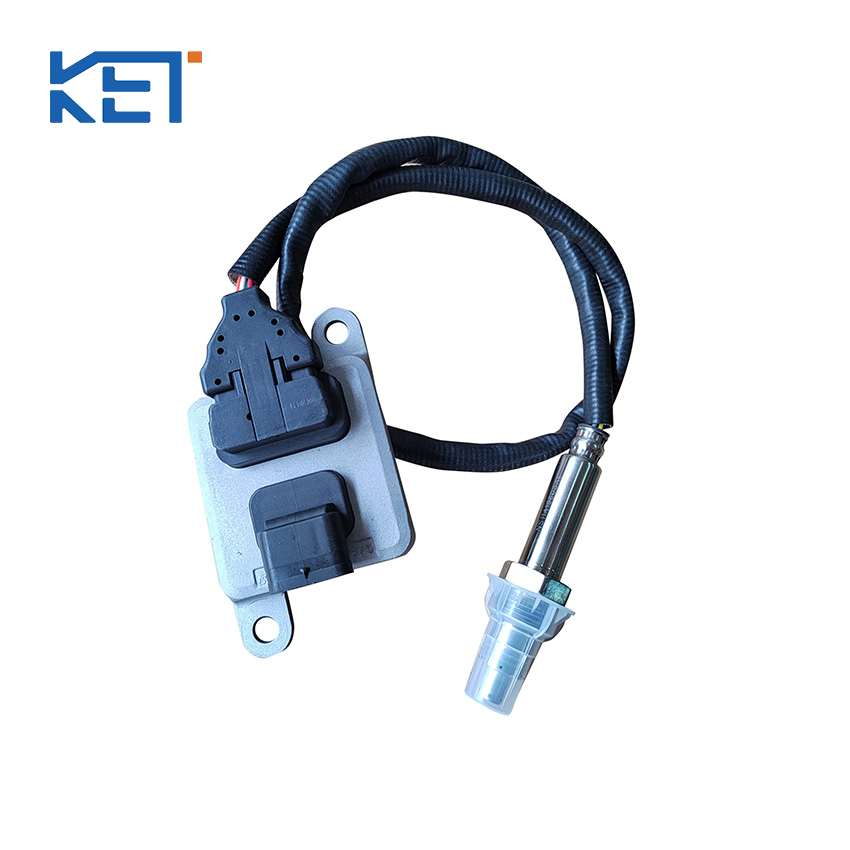
You must understand how physical extremes destroy internal components. A NOx Sensor operates at incredibly high temperatures. The internal ceramic element often reaches up to 800°C during normal driving. Cold-start condensation pools inside the exhaust pipe overnight. This freezing moisture hits the intensely heated ceramic element upon startup. The resulting thermal shock causes microscopic cracks across the internal structure. These micro-cracks permanently destroy the reading accuracy of the device. You cannot reverse thermal shock damage once it occurs.
Excessive idling generates massive amounts of wet soot inside the exhaust. Short trip cycles prevent the exhaust from reaching optimal burn-off temperatures. Upstream Diesel Particulate Filter (DPF) degradation also lets thick soot pass through. This heavy soot coats the fragile sensor tip completely. We call this condition blinding the sensor. A blinded probe cannot measure exhaust gases quickly or accurately. Its response time delays significantly, confusing the engine control module. The computer assumes the part has failed, triggering dashboard warnings.
Chemical poisoning represents another massive threat to exhaust components. Using off-spec DEF introduces harmful impurities into the exhaust stream. Cheap fuel additives contain elements harmful to sensitive catalyst materials. Internal engine leaks cause the most severe chemical poisoning events. Blown head gaskets leak silicate-heavy coolant into the combustion chamber. Failing turbochargers push raw engine oil directly down the exhaust pipe. These fluids coat the sensor element with silicates and heavy metals. They bake onto the ceramic, rendering the unit completely useless.
Chassis-level realities heavily impact sensitive electronics over time. Heavy-duty exhaust systems vibrate violently during loaded acceleration. Excessive exhaust vibration shakes the internal ceramic elements constantly. Poorly routed wire harnesses lead to severe chafing against the frame. Moisture eventually enters the compromised wiring or the main connector housing. Water ingress causes erratic voltage signals to travel back to the ECM. These wiring fatigue issues mimic internal hardware failures perfectly.
Stress Factor | Primary Cause | Impact on Sensor Element | System Symptom |
|---|---|---|---|
Thermal Shock | Cold moisture hitting hot ceramic | Micro-cracking in zirconia structure | Sudden dead signal; open circuit codes |
Soot Accumulation | Excessive idling; compromised DPF | Element blinding and physical blockage | Slow response time; erratic readings |
Chemical Poisoning | Coolant leaks; burning oil; bad DEF | Silicate/metal glazing on probe | Permanent loss of accuracy; rich faults |
Vibration Fatigue | Broken exhaust hangers; chassis flex | Wire chafing; connector moisture ingress | Intermittent voltage drops; ghost codes |
Mechanics must stop relying on the parts cannon approach immediately. Throwing expensive parts at a fault code rarely solves the underlying issue. A specific emissions-related fault code often indicates a broader systemic problem. The code points out an upstream failure, not necessarily a failed probe. Assuming the sensor itself died leads to massive repair bills. It also guarantees the new part will fail exactly like the old one. You need a structured diagnostic framework to isolate the true root cause.
Proper diagnostics demand comprehensive live data analysis during engine operation. Technicians must use advanced bi-directional scan tools for this process. You need to monitor raw voltage outputs while driving the vehicle under load. Technicians should watch the response times during a forced regeneration cycle. Healthy parts react instantly to varying oxygen and nitrogen oxide levels. A sluggish voltage graph confirms the probe has degraded significantly. Live data tells a completely different story than static history codes.
You must verify the integrity of upstream components before replacing anything. Perform these specific diagnostic steps every single time:
Smoke-test the entire exhaust system to check for pinhole leaks. Exhaust leaks introduce unmetered oxygen, skewing all downstream readings.
Verify the DEF injector spray pattern using a manual override command. A clogged doser creates uneven fluid distribution, causing false lean codes.
Confirm the overall health of the DPF through pressure differential checks. A cracked DPF allows heavy soot to blind the downstream components.
Inspect the vehicle's engine coolant level and turbocharger piping. Any missing fluids indicate internal leaks actively poisoning the exhaust stream.
The core functionality relies entirely on the zirconia ceramic element. High-tier elements ensure rapid heating during cold engine startups. They execute precise oxygen pumping to separate complex gas molecules accurately. Premium zirconia provides excellent resistance against sudden thermal shock events. Cheap replacements use inferior ceramic mixtures to cut production costs. These low-grade materials crack easily during the first winter cold snap. You must demand high-quality internal ceramics when evaluating any replacement part.
Hardware means nothing without flawless firmware and ECM compatibility. Every replacement unit includes a smart box attached to the wiring harness. This control module translates analog chemical readings into digital network data. It must feature updated firmware properly calibrated for your specific engine. The replacement must execute a perfect digital handshake with the vehicle's ECM. Poorly coded aftermarket units fail this handshake frequently. This communication failure immediately generates frustrating ghost codes on the dashboard.
Shortlisting vendors requires a strict focus on trust and compliance standards. You should always look for suppliers holding ISO/TS 16949 manufacturing certifications. This standard guarantees strict quality control during the assembly process. You want vendors offering transparent, easily accessible warranty structures. Evaluate whether the supplier provides actual technical diagnostic support. You want a partner who understands heavy-duty emissions systems thoroughly. Avoid suppliers who merely move boxes without offering post-sale technical guidance.
Fleets constantly weigh the benefits of OEM versus high-tier aftermarket parts. OEM guarantees direct compatibility but always comes at a massive premium. High-tier aftermarket options offer incredible cost-efficiency at scale for large fleets. However, these aftermarket units must meet strict internal material standards. You must actively avoid ultra-cheap, white-label knockoffs flooding online marketplaces. A well-built aftermarket NOx Sensor performs identically to factory equipment. It delivers reliability without destroying your quarterly maintenance budget.
Technicians must handle these delicate electronic components with extreme care. Warn your maintenance staff against dropping the part on shop floors. A single drop easily shatters the fragile internal zirconia element. Mechanics often use excessive anti-seize compound on the exhaust threads. This represents a massive installation mistake. The exhaust heat vaporizes this compound instantly upon engine startup. The toxic vapor coats the probe tip, contaminating it permanently.
Physical installation only completes half of the repair process. You must reset the SCR system parameters using a heavy-duty diagnostic tool. The ECM stores learned adaptation values based on the old, degraded part. You must clear these old values to baseline the computer. The engine needs to learn the precise voltage curve of the new component. Always perform an automated SCR system test post-installation. This verifies the complete repair before releasing the truck to a driver.
Preventative maintenance protocols directly protect your new emissions hardware investment. Fleet managers should strongly enforce policies to reduce unnecessary engine idling. Less idling means less wet soot travelling down the exhaust pipe. You must also ensure regular DPF cleaning intervals are strictly followed. A clean DPF traps soot properly, keeping the downstream pipe spotless. Regularly check the chassis wiring harnesses for tight zip-ties or rubbing. Good maintenance habits double the expected lifespan of these expensive components.
Replacing emissions hardware remains a high-stakes maintenance event for any fleet. Long-term success relies entirely on diagnosing the true root cause first. You must investigate upstream issues rather than blindly swapping parts. Procurement strategies must prioritize structurally robust replacements featuring high-quality ceramic elements.
Fleet managers should immediately audit their current SCR diagnostic procedures. Ensure your technicians utilize live data analysis rather than just reading codes. You must also vet your aftermarket parts suppliers rigorously. Demand proof of material quality, firmware compatibility, and strong warranty backing. Taking these proactive steps ensures maximum uptime and compliant fleet operations.
A: Chemical cleaners or wire brushes typically destroy the fragile ceramic element. The internal components are incredibly sensitive to physical abrasion. While some mild soot might burn off naturally during a forced regeneration, manual cleaning is highly discouraged by all major manufacturers. Attempting to scrub the probe almost always guarantees permanent internal damage.
A: You can expect realistic benchmarks between 50,000 and 100,000 miles. However, lifespan is heavily dictated by overall engine health and driver duty cycle. Vehicles performing mostly highway miles see longer lifespans. Upstream emissions system integrity also plays a massive role. A clogged DPF or leaking coolant will kill a new part instantly.
A: The failure points to two transparent realities. Either the replacement was a low-quality build highly susceptible to thermal shock, or the original root cause remained unfixed. If a leaking DEF doser or clogged DPF caused the first failure, it will absolutely kill the new replacement part too.